
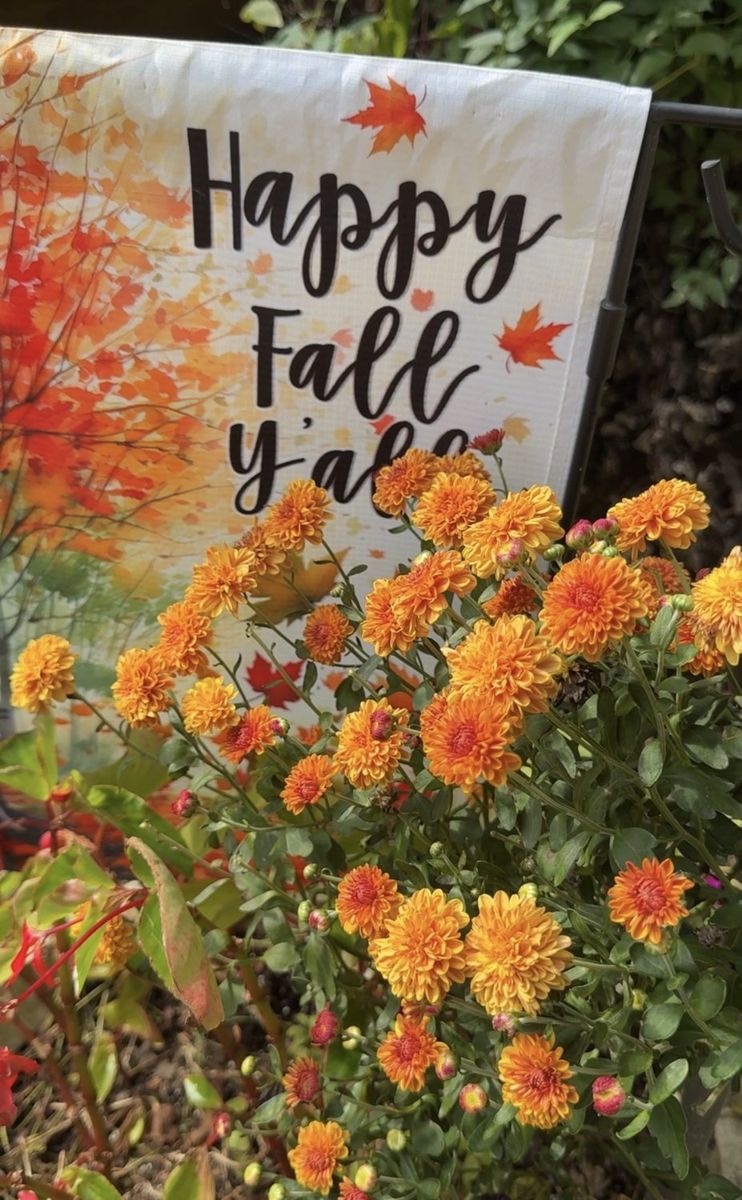
Most fall mums do not come back, and it is not your fault. The round mums sold in full bloom are grown to look perfect for one season and go in the ground too late to set roots before winter. Perennial garden mums do come back, and they spread a little wider every year. The whole difference is which kind you buy and when you plant it.
Today is the first day of fall, and I spent part of it standing in front of a wall of round, perfect mums at the big box store. Every September we buy them, set them on the porch, tuck them in the ground in October, and then wonder in April why nothing came back.
So here is what we have learned about mums: why the fall ones usually do not return, how to get the most out of them anyway, and how to grow the kind that come back a little bigger every year. There is a printable version at the bottom to keep in the garden shed.

Do mums come back every year?
Some do. Most of the mums sold in fall do not, and it usually is not anything you did.
There are really two kinds of mums, sold for two different jobs.
- Fall pot mums are the round, mounded ones stacked outside every grocery store and garden center in September. They are grown to be a perfect dome of color for one season.
- Perennial garden mums are the looser, taller, often older varieties you find at a local nursery. They are grown to live in the ground and come back year after year.
There is a third kind you will see wrapped in foil near the checkout: florist mums. Those are gift plants grown for indoors, and they are not winter hardy. Enjoy them like a bouquet.
| Fall pot mums | Perennial garden mums | |
|---|---|---|
| Where you find them | Grocery and big box stores, September and October | Local nurseries, spring and early fall |
| Shape | Tight, round dome | Looser and taller, more natural |
| When they bloom | Sold already in full bloom | In the ground, often October into November |
| Best use | Porch and pot color for the season | A permanent spot in the garden |
| Do they come back? | Sometimes, but it is a gamble | Yes, and they spread a little each year |
| When to plant | Enjoy them in the pot | Spring, or early fall with six weeks before frost |
Why fall mums do not come back
It comes down to roots.
A mum sold in full bloom in September has spent its whole season making flowers, not roots. When it finally goes in the ground in October, it has a small, shallow root ball and only a few weeks before the soil turns cold. That shallow root ball is what gets it. Winter freezing and thawing pushes the plant up out of the soil, which gardeners call heaving, and the exposed roots dry out and die.
Four things make it worse:
- Planting late. The later it goes in, the fewer roots it grows before winter.
- Letting it dry out. Drought stress in fall lowers the odds it survives the winter.
- Cutting it back in fall. The old stems and leaves insulate the crown. Plants left standing survive colder temperatures than plants that were tidied up.
- Heavy, wet soil. Mums hate wet feet, and East Tennessee clay holds water all winter.
Even the tag that says hardy is telling the truth about the plant. It is the timing that works against it.
How to make the mums you buy this fall last
First, do not buy them in August. Buying mums in August is like setting up a snowman in July. It looks right for a second, but it is doomed. The ones lined up at the big stores in late summer either cook in the heat or bloom out weeks before you want them. Wait for the nights to cool off and the same plant will hold weeks longer.

Whether you plant them later or not, here is how to get the most out of the ones on your porch.
- Wait for cooler nights. Mums bought in the heat of early fall bloom out and fade fast. The same plant bought once nights cool off will hold its flowers weeks longer. Around here that usually means waiting until October.
- Buy them in bud. Look for plants with mostly tight buds and just a little color showing. You get the whole show at home instead of the tail end of it in the parking lot.
- Check the roots and the leaves. Tip the pot and look. A solid mat of roots circling the pot means it will dry out fast. Skip anything with yellow or brown leaves down at the base.
- Pot them up. Fall mums come so root bound they can dry out in one warm afternoon. Moving a plant into a pot a size or two bigger, with fresh potting soil and the roots loosened, buys you a lot of breathing room.
- Water at the base, daily. Check them every day. When the top inch is dry, water slowly at the soil until it runs out the bottom. Keep the water off the flowers and foliage. A mum that wilts hard even once will drop buds.
- Morning sun, afternoon shade. Hot afternoon sun burns through the blooms. A porch with morning light is ideal.
- Deadhead as you go. Pinch off spent flowers so the plant keeps looking fresh.
- Skip the fertilizer. Once a mum is in full bloom, feeding it does nothing for the flowers.
- Cover them on the first cold nights. A light frost will not kill the plant, but a sheet over the top, or a night in the garage, keeps the open flowers looking good longer.
Want to try keeping your fall mums? Give them a chance
It is a gamble, but you can improve the odds.
- Plant as early as you can. Mums need about six weeks of root time before the ground gets cold. Our first frost in this part of Tennessee usually lands in late October, which makes mid September the target. If you are reading this later than that, plant anyway and plant now.
- Pick a sunny, well drained spot with at least six hours of sun, ideally near the house where it is a little more sheltered.
- Loosen the root ball before it goes in the hole, so the roots grow out instead of circling.
- Plant at the same depth it sat in the pot, and water it in deeply.
- Keep watering through fall whenever it is dry. Do not let it go into winter thirsty.
- Leave the stems standing after frost. Do not cut them back until spring.
- Mulch once the ground freezes, about four inches of straw or shredded leaves over the crown.
- In spring, cut the old dead stems back once you see new green growth at the base.
If it comes back, treat it like a perennial mum from then on.
Perennial mums: the ones that come back

This is the kind I bought at Stanley’s Greenhouse two years ago: a twelve dollar ‘Ryan’s Coral’. It is taller and looser than the round ones, the flowers are single coral daisies with a yellow eye instead of tight pompoms, it blooms later, and it has come back every fall since.
The Ryan’s mums are heirlooms with a good story. They were collected and introduced by the Atlanta garden designer Ryan Gainey and passed along through a Georgia nursery, which is how ‘Ryan’s Pink’, ‘Ryan’s Apricot’ and ‘Ryan’s Coral’ ended up in southern gardens. They are exactly the sort of plant you will not find stacked on a pallet out front.
Perennial mums spread by underground runners, so one plant fills out a little more each year. They bloom late, often from early October until a hard frost, right when the rest of the garden has quit. The bees and butterflies are still looking for flowers then, and they will find yours.

When to plant
- Spring is best. Plant after your last frost, mid to late April here, and the plant gets a whole season to build roots before winter.
- Early fall works too, as long as it goes in at least six weeks before your first frost. For us that means mid September.
Where to plant
- Full sun, at least six hours a day. Less sun gives you leggy stems and fewer flowers.
- Well drained soil. Mums will not tolerate sitting wet. If you garden in clay like we do, work in compost, or plant on a slight mound or in a raised bed.
- Room to breathe. Space plants 18 to 30 inches apart so air moves between them.
- Away from night lights. Mums are short day plants, which means they bloom when the nights get long. A porch light or a streetlight shining on them at night can delay blooming or stop it altogether.
How to pinch mums, and why you will want to

Pinching is the whole secret to a full, mounded plant covered in flowers instead of a few tall stems that flop over in the first hard rain.
Every time you pinch out a growing tip, the stem branches below it into two or three new stems. More stems means more flowers and a sturdier plant.
- Start in spring when the new shoots are about six inches tall.
- Pinch off the top inch of each stem, just above a set of leaves. Your fingers work as well as snips.
- Repeat every two to four weeks, each time the new growth reaches about six inches.
- Stop by the Fourth of July. Mums set their flower buds in late summer, so pinching after early July can cut off this fall’s blooms.
- Pinch off any early flower buds that show up in June. Let the plant save it for October.
The easy way to remember it: start when they are six inches tall, and quit on the Fourth of July.
Taller varieties like ‘Ryan’s Coral’, ‘Sheffield’, ‘Penelope Pease’ and ‘Emperor of China’ especially benefit. Pinching is what keeps them from sprawling. Ours is proof of what happens when you skip it.
Water and feeding
- Water deeply once a week in dry spells, at the base of the plant rather than over the leaves. Wet foliage invites mildew and leaf spot.
- Feed lightly in spring and early summer with a balanced fertilizer, and stop once flower buds form in late summer.
- Mulch in summer to keep the roots cool and evenly moist, pulled back a few inches from the stems.
Fall and winter
- Enjoy the show. Most perennial mums bloom from October into November.
- Leave the stems standing after frost. The old growth insulates the crown through winter.
- Add about four inches of mulch once the ground has frozen.
- Cut the old stems back in spring, once new growth starts at the base.
Dividing mums
Every two to three years the center of a mum clump goes woody and stops blooming well while the outer ring keeps going. That is your cue to divide.
- Divide in spring, when the new shoots are just a few inches tall.
- Dig up the whole clump and pull or cut it into sections, each with several shoots and a good set of roots.
- Throw away the old woody center and replant the healthy outer pieces.
- Share the extras. One mum becomes three or four, and a friend gets fall color next year.

Perennial mums worth looking for
These are older, tried and true varieties that come back reliably, and every one of them is hardy in our zone. Most bloom later than the round fall mums, which is exactly the point. They carry the garden into November.
| Variety | Color | Height | Blooms | Good to know |
|---|---|---|---|---|
| ‘Ryan’s Coral’ also ‘Ryan’s Pink’ and ‘Ryan’s Apricot’ | Single daisies in coral, pink or soft apricot with a yellow eye | 2 to 3 ft | October into late fall | Southern heirlooms introduced by Ryan Gainey. Tall, so cut them back by half in early July or plant them toward the back. |
| ‘Sheffield’ also sold as ‘Sheffield Pink’ | Pale apricot pink with a yellow eye | 2 to 3 ft | Early October on | A strong grower with a habit of weak stems. Pinch in early summer. |
| ‘Cambodian Queen’ | Pink | 2 to 3 ft | Fall | A sport of ‘Sheffield’. Harder to find. |
| ‘Venus’ | Soft pink to white | Medium | Fall | Easier to find than ‘Cambodian Queen’. |
| ‘Bronze Elegans’ | Coppery bronze with pink undersides | Medium | Late October | Ages to a pale yellow and orange stripe. |
| ‘Mei-kyo’ | Lavender pink, small double flowers | 3 ft | Late October | Grows into a small shrub even without pinching. |
| ‘Emperor of China’ | Pink double flowers with quilled petals | 3 to 4 ft | Late October into Thanksgiving | Tall and a little lanky. Put it at the back, or pinch it in late spring. |
| ‘Will’s Wonderful’ | Strawberry red with creamy yellow | 3 ft | Late October | Frost tolerant. A rare heirloom worth hunting for. |
| ‘Penelope Pease’ | White turning blush pink | 2 to 2.5 ft | Mid October to heavy frost | Vigorous and inclined to sprawl. Pinch in late spring. |
| ‘Pink Bomb’ and ‘White Bomb’ | Pale pink, or white blushed with pink | 8 to 12 in | August to hard frost | Short and tidy. Good at the front of a bed. |
Buy them from a local nursery

You will not find most of these varieties stacked on a pallet out front of a big store. Perennial mums come from local nurseries, and that is not an accident. Someone there chose to grow a plant that sells a few at a time instead of a thousand at once, because it is a better plant.
That is the real argument for shopping local, and it goes well past mums. A good nursery grows for your soil and your winters. The people working there have killed the same plants you have and can tell you why. They carry the heirloom that never makes it into national distribution. And when you ask a question, you get an answer from someone who gardens here.
Ours is Stanley’s Greenhouse in South Knoxville, a family business that has been growing here for generations. Our ‘Ryan’s Coral’ came from them for twelve dollars and has bloomed three falls now. That is the kind of math that makes a local nursery worth the drive.
Wherever you are, find yours. Go in spring when the perennial mums are small and unimpressive and nobody else is buying them, ask what comes back in your area, and then pinch the thing all summer.
Gardening friends are the other good source, because anyone who grows perennial mums has extras every few years. It is the same idea as saving black-eyed Susan seed: the best plants in a garden usually arrive from somebody else’s.
If you are filling in around them, our field guide to cool weather flowers covers what else goes in the ground this time of year, and the spring garden planning guide is where to start if you want perennial mums in the ground at the right time next year.
A year with perennial mums
| When | What to do |
|---|---|
| March and April | Cut back last year’s dead stems once new growth appears. Divide clumps every two to three years. |
| Mid to late April | Plant new perennial mums after the last frost. |
| May and June | Pinch when shoots hit six inches, then every two to four weeks. Feed lightly. |
| Fourth of July | Last pinch. Put the snips down. |
| July and August | Water deeply in dry spells. Stop feeding once buds form. |
| Mid September | Last call for fall planting, six weeks ahead of frost. |
| October and November | Bloom time. Cut a few for the table. |
| After the first hard frost | Leave the stems standing. |
| Once the ground freezes | Mulch about four inches over the crown. |

Mum troubleshooting
- Tall and floppy. Not enough pinching, or not enough sun. Pinch next year, and move it somewhere brighter.
- Blooming late, or not at all. Check for a porch light or streetlight shining on it. Mums need long, dark nights to set buds.
- Dead or bare in the middle. Time to divide.
- Did not come back after winter. Usually planted too late, cut back in fall, or sitting in wet soil.
- Small green or black bugs on new growth. Aphids. Knock them off with the hose or use insecticidal soap.
- Fine webbing and speckled leaves. Spider mites, worst in hot dry weather. Spray the plant down, especially the undersides of the leaves.
- White powder on the leaves. Powdery mildew. Water at the base, give plants room for air to move, and pull the worst leaves.
- Dark spots on the leaves. Leaf spot. Same fix. Water the soil, not the plant.
Mum questions we get asked
Do mums come back every year?
Perennial garden mums do. The round fall mums sold in full bloom can, but most do not, because they go in the ground too late to root before winter.
Are mums annuals or perennials?
Garden mums are perennials. Most fall mums end up treated like annuals because of when they are sold and planted. Florist mums in foil wrap are not hardy outdoors at all.
When should I plant mums?
Spring, after your last frost, is best. Early fall works if the plant has at least six weeks before your first frost.
Should I cut back mums in the fall?
No. Leave the stems until spring. They insulate the plant through winter, and plants left standing survive colder temperatures than ones cut back.
When do you stop pinching mums?
Around the Fourth of July. Any later and you risk cutting off this fall’s flower buds.
How long do fall mums bloom?
A few weeks, and longer when the nights are cool. Buying them in bud and keeping them out of hot afternoon sun both help.
Can I keep a potted mum over the winter?
You can try. Plant it in the ground early, water it well, leave the stems, and mulch once the ground freezes. The other option is to move the pot into a cool, dark garage or shed after a hard frost, check now and then that the soil has not gone bone dry, and bring it back out in spring.
Take the printable version with you
Here is the whole guide as a printable PDF, laid out for the garden shed wall or a binder. Everything above is on this page, so nothing is hidden behind the download.
Download The Complete Mum Guide (PDF)
Growing more flowers? Our Growing Flowers guide brings all of our flower guides together in one place, from dahlias and zinnias to cool weather blooms and arranging.


Written by
Lane and Jules Morris
Authors and University of Tennessee faculty writing from our farm in East Tennessee about gardening, the farm kitchen, faith and designing a flourishing life at any age. More about us
