
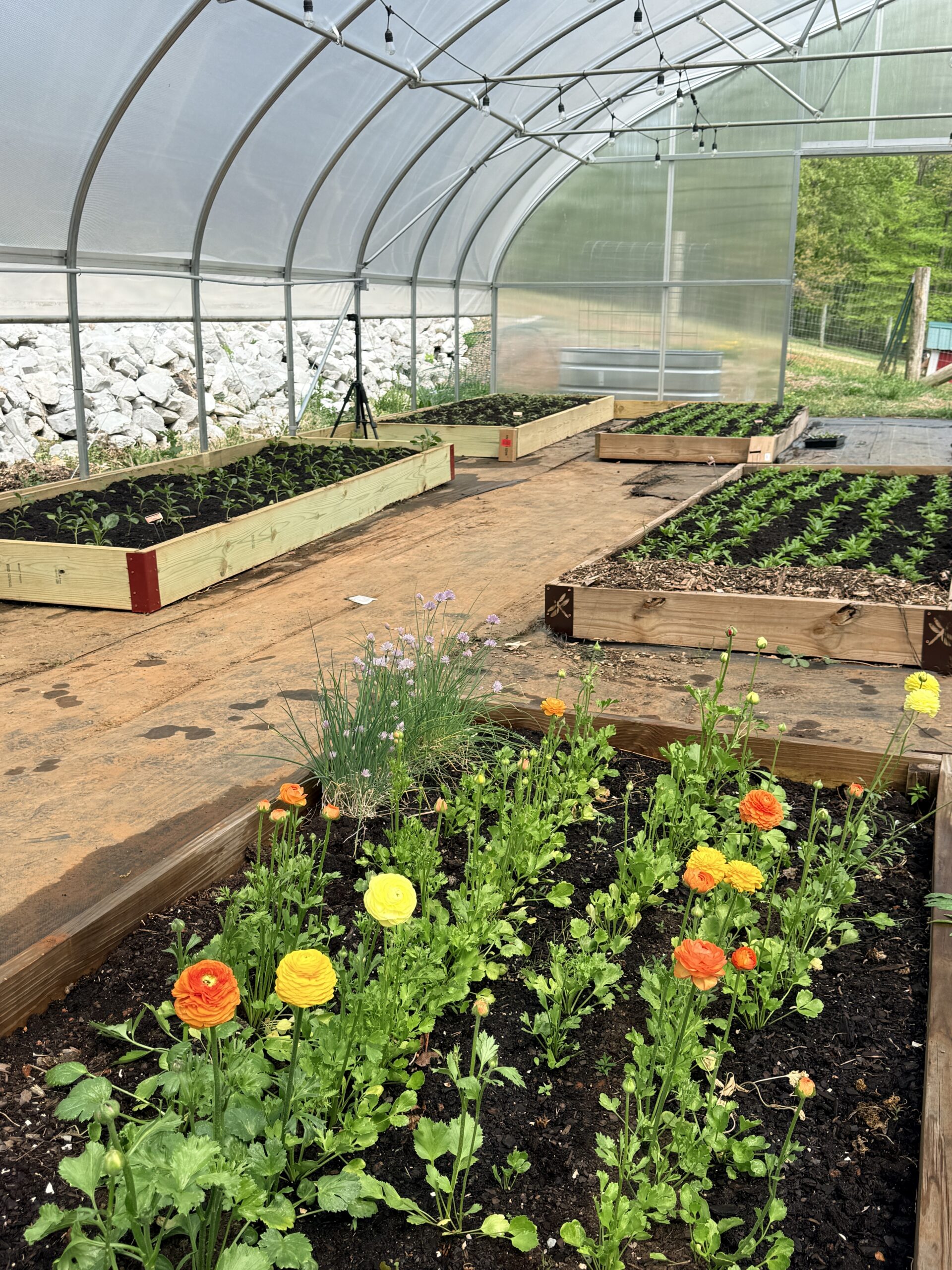
Here are 3 essential tips for building and preparing raised garden beds:
1️⃣ Selecting Treated Lumber Safely: We used treated garden-safe lumber and created simple raised beds. If you’re using treated lumber for your raised beds, ensure it’s labeled as safe for garden use. Modern pressure-treated woods are often treated with less harmful chemicals like ACQ (alkaline copper quaternary) which are safer for growing edible plants compared to older, arsenic-based preservatives. This choice helps ensure the longevity of your beds while keeping your soil and plants safe. You can also use raw cedar or redwood as well.
2️⃣ Improving Soil Quality: Instead of lining the bottom with weed fabric, I integrate the bed directly with the native soil beneath. I enrich this foundation with a mix of garden soil, compost, and peat moss to create a fertile, well-draining medium. Regularly testing and amending the soil with organic fertilizers like my trusted BugHut products ensures that plants receive the best nutrients throughout the season.
3️⃣ Ensuring Adequate Depth: Make sure your raised beds are deep enough to accommodate the roots of the plants you wish to grow. Generally, a depth of 12-14 inches is sufficient for most vegetables. This depth provides ample space for roots to grow freely and access the nutrients they need, leading to healthier and more robust plants.
Keep watching our space for more updates as we continue to grow! 🍅🥬
Planning your vegetable garden? Our Growing Vegetables guide brings all of our crop, heirloom, soil and seed starting posts together, and Garden by the Season shows what to do and when.
You might also enjoy Resting the Soil, Resting Ourselves: A Fall Cover Crop Guide and Determinate vs. Indeterminate Potatoes: Everything You Need to Know to Grow, Hill, and Harvest Like You Mean It.
#gardeninglife #RaisedBedGardening #SustainableGardening #GrowYourOwn #CommunityGarden #greenhousedream #farmlife #farmstead #gardeningtips #FarmingAfter50
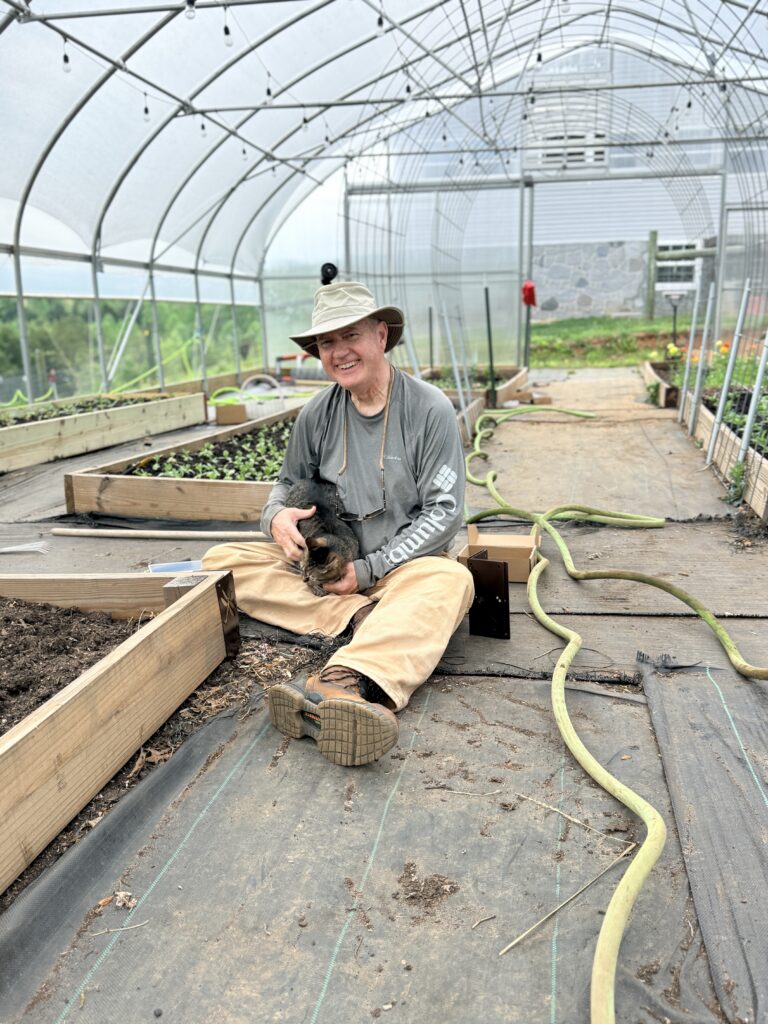
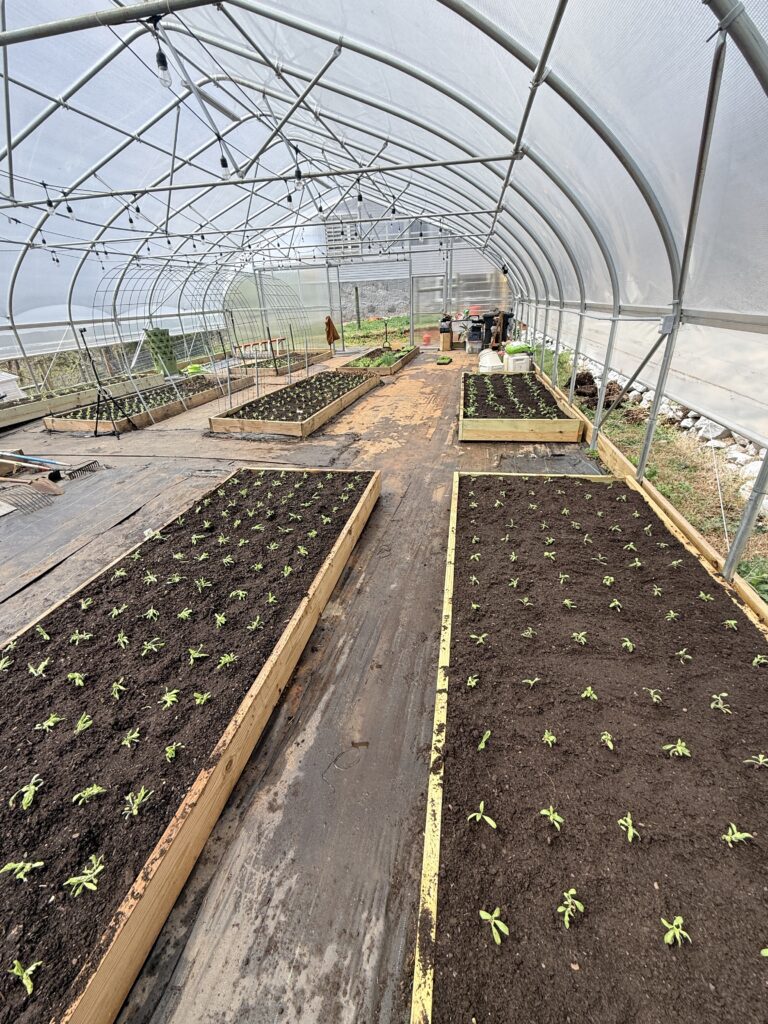
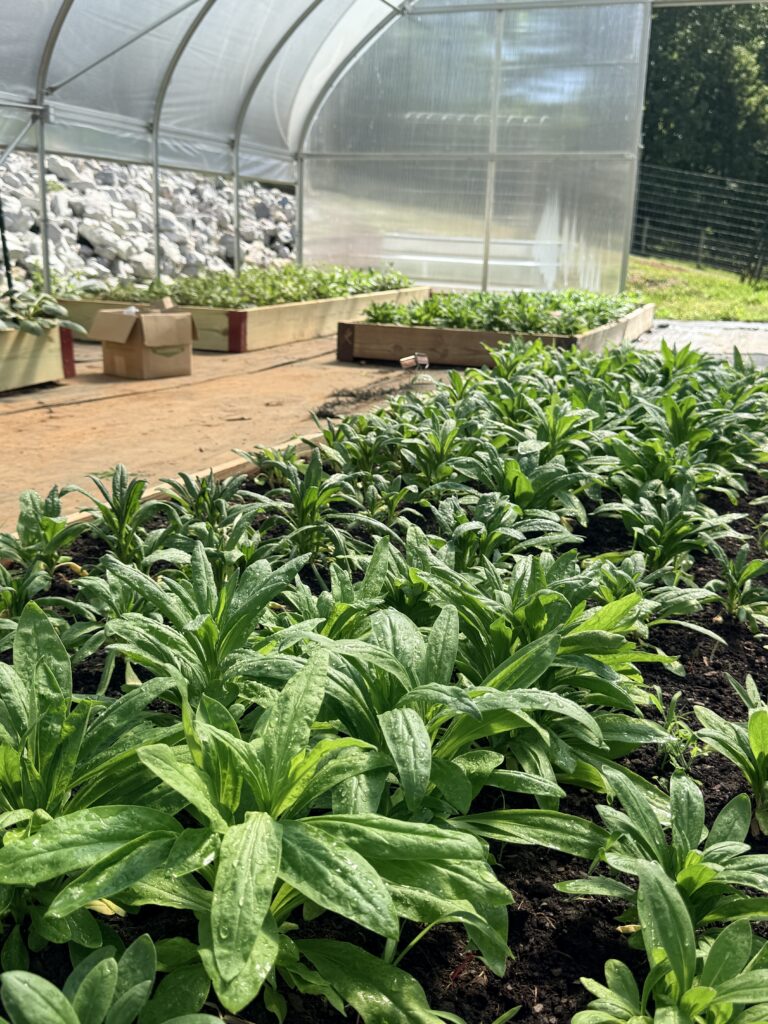
From bare lumber and brackets to beds that feed us.


Written by
Lane and Jules Morris
Authors and University of Tennessee faculty writing from our farm in East Tennessee about gardening, the farm kitchen, faith and designing a flourishing life at any age. More about us
