
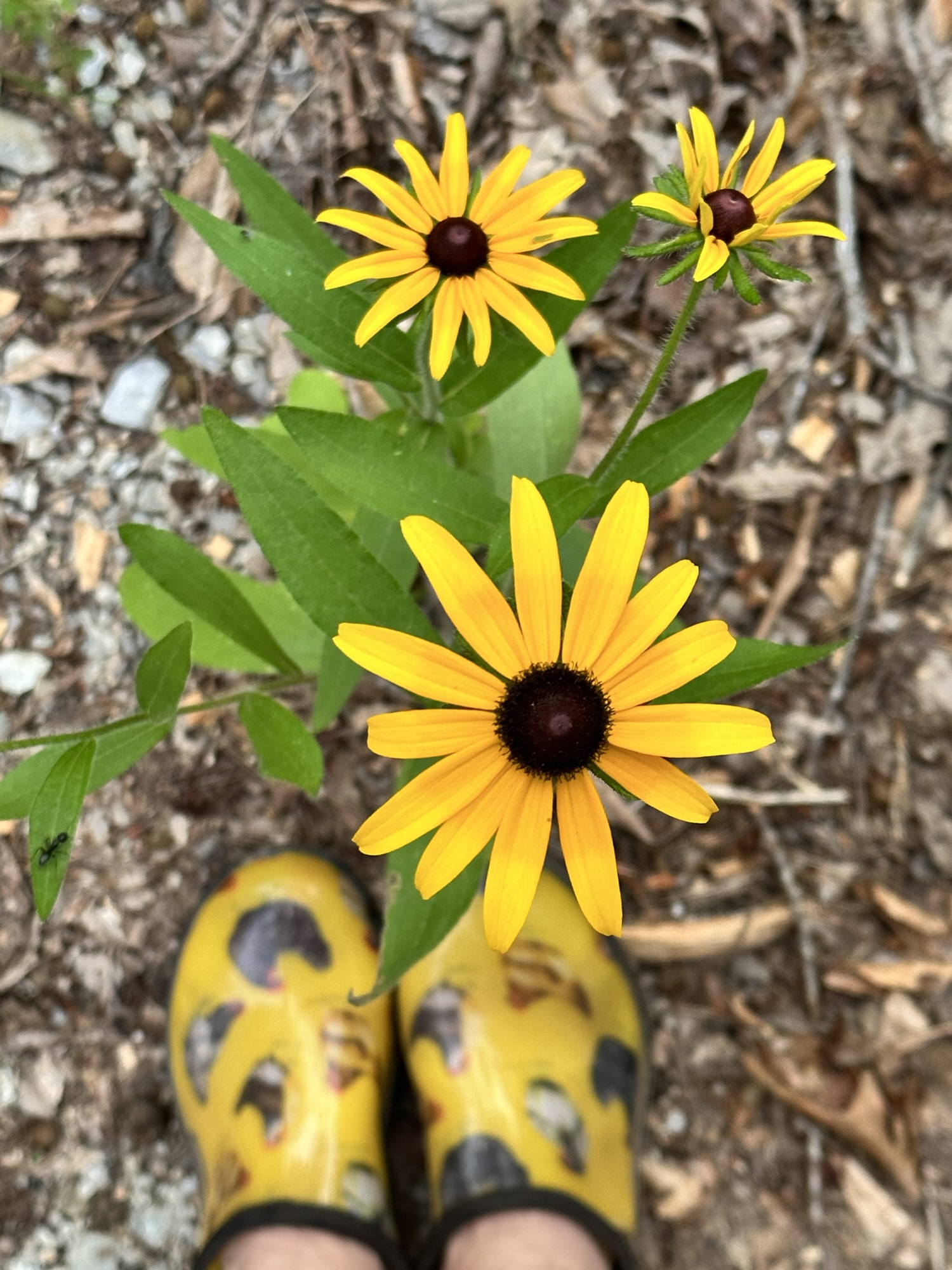
There’s a reason black-eyed Susans have earned a permanent spot on this farm. They’re happy, they’re whimsical, and once you’ve got the right kind planted, they ask almost nothing of you in return. If you’ve been enjoying mine on video, here’s the full guide, all the details on varieties, care, and what to do (or not do) with them this fall.
Not All Black-Eyed Susans Are the Same Plant
This is the part most people don’t realize. “Black-eyed Susan” isn’t one single plant, it’s a whole group of Rudbeckia varieties, and they don’t all behave the same way in the garden.
Some are true perennials that come back from the same crown every single year. Others are annuals or biennials, meaning the individual plant only lives a season or two and relies on reseeding to keep showing up. Both are lovely. But knowing which one you have changes how you care for it.
The Traditional Type (What I Grow)
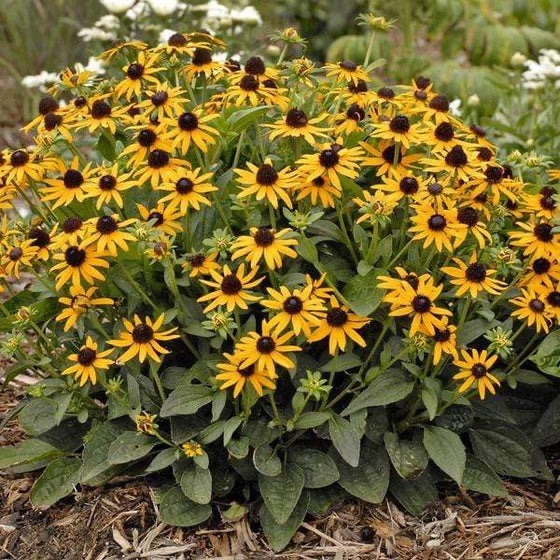
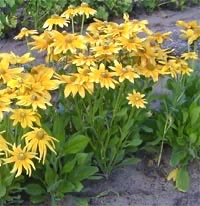
The ones I grow in abundance are the old school, traditional kind, Rudbeckia fulgida, often sold as ‘Goldsturm.’ These are true perennials. They come back from the same crown every year, nothing fussy, nothing needed from me. They’re some of the hardiest plants on the whole property, and that reliability is exactly why I plant them by the dozen instead of scattering a bunch of different varieties around.
Annual and Biennial Varieties
If your black-eyed Susans don’t seem to persist from the same spot but the patch still comes back, you likely have one of these. They’re gorgeous, but they lean on reseeding rather than surviving winter as the same plant.
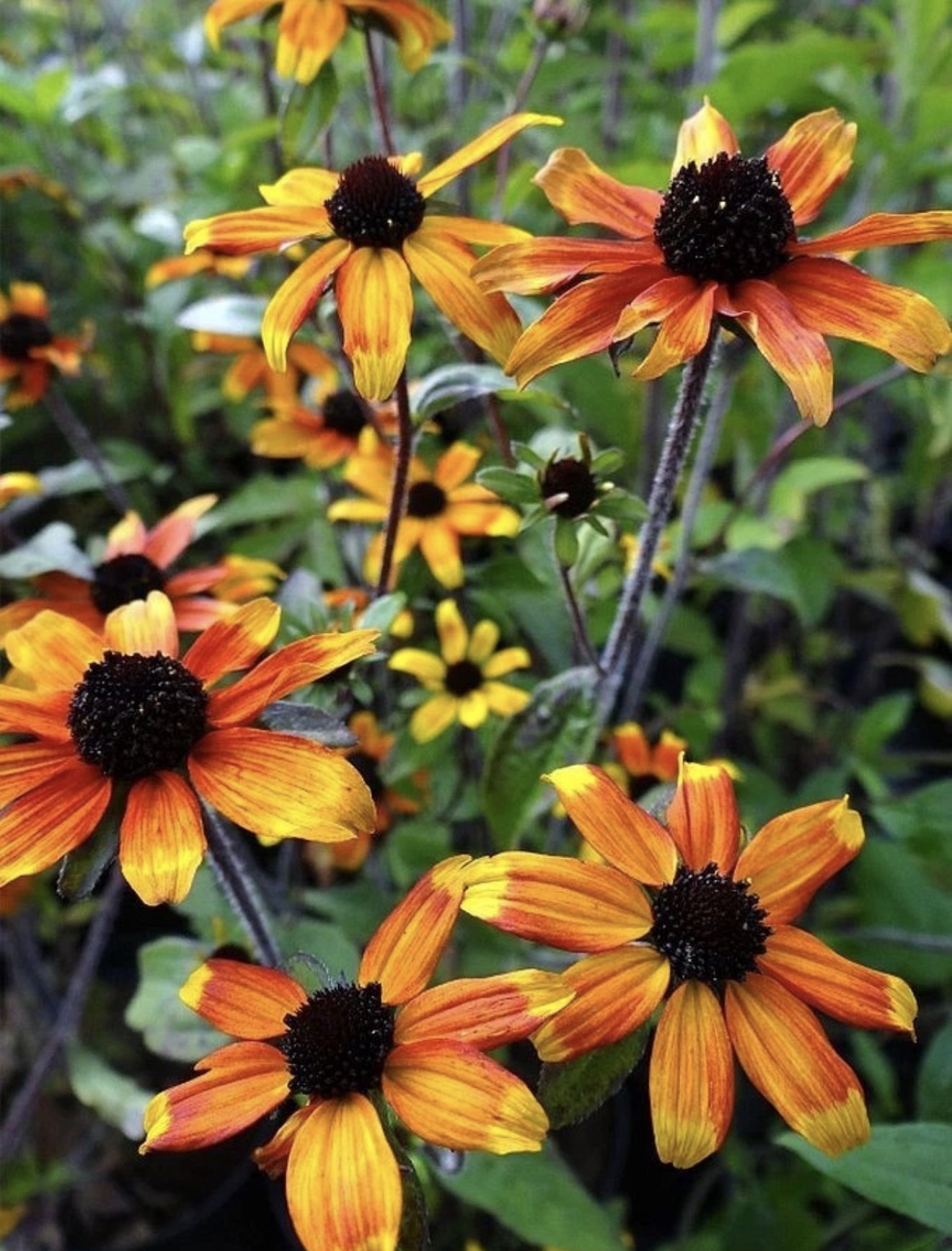
- Rudbeckia hirta, the classic gold variety sold at most nurseries
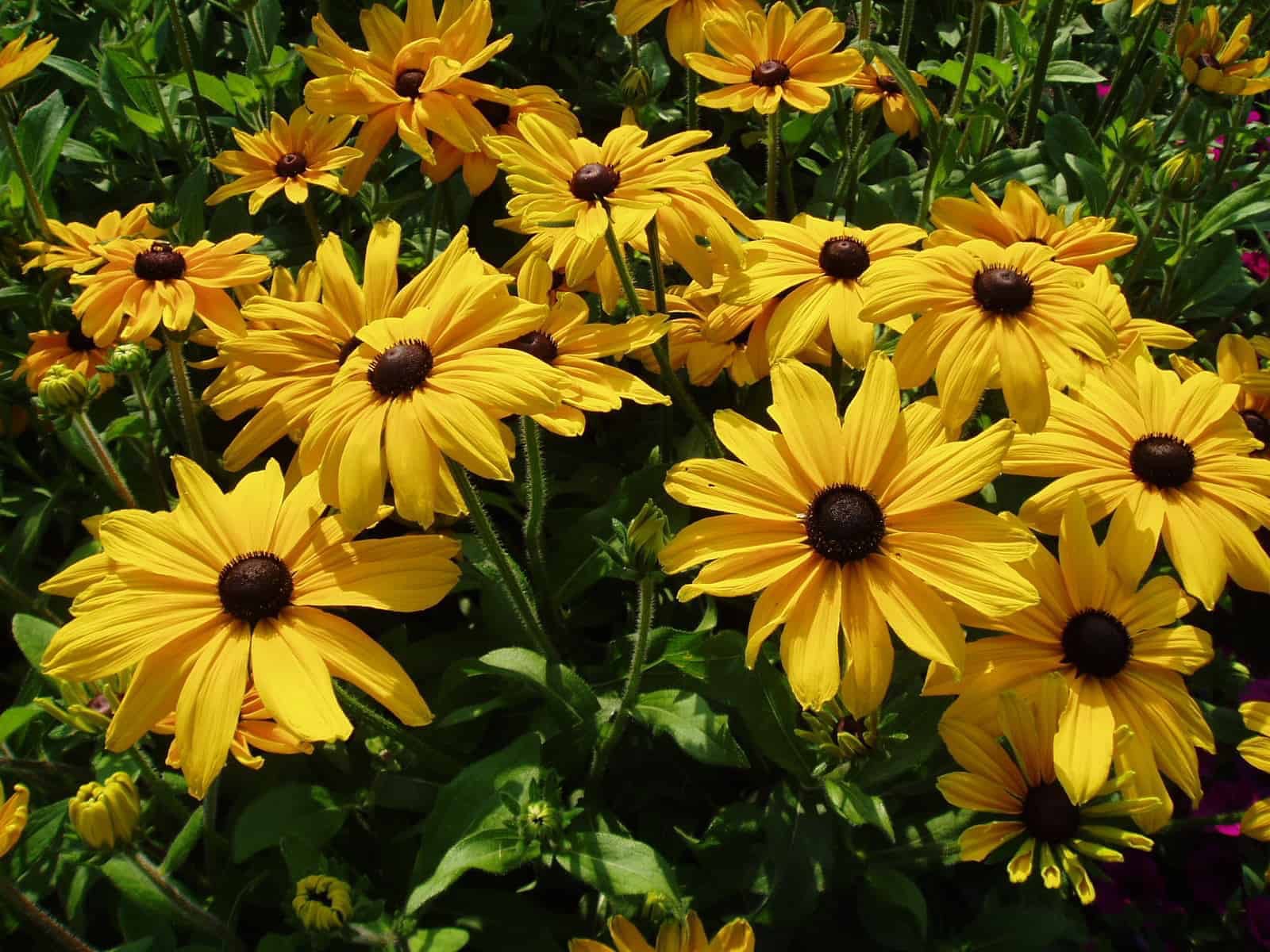
- ‘Indian Summer’
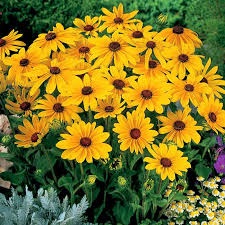
- ‘Cherry Brandy’
- ‘Cherokee Sunset’
- ‘Denver Daisy’
- ‘Prairie Sun’
- ‘Toto’
Do You Need to Cut Them Back?
Not really, and that’s the question I get asked most. You have options, and none of them are wrong.
Leave them alone. The seed heads feed goldfinches and other birds all winter. Nothing to do here except enjoy watching the birds work through them.
Deadhead through the season. This keeps blooms coming longer and limits how much the plant reseeds if you want a tidier bed.
Cut back in late fall. Once they’re fully done blooming and the stems have browned, you can cut the plant back to clean up the bed for winter.
Wait until spring. Just as valid as fall. The plant can take it either way.
Do They Reseed Themselves?
Yes, naturally, without you doing anything. When seed heads dry and break down, or birds knock the seeds loose while feeding, the seeds drop right there in the bed, overwinter in the soil, and come up on their own the following spring. That’s why a patch tends to hold steady or spread over time on its own.
Saving and sharing seed yourself is a separate, optional step, useful if you want to plant them somewhere new or share with a friend. Let the seed heads dry fully brown on the plant, then snip them into a paper bag, let them dry another week, and store somewhere cool and dry.
Related Varieties Worth Knowing
If you want to branch out beyond the traditional gold, here are a few relatives worth a look.
- Rudbeckia triloba, brown-eyed Susan, smaller flowers, more branching, great for a looser look
- Rudbeckia laciniata, cutleaf coneflower, taller with a cottage-garden feel
- Rudbeckia maxima, giant coneflower, dramatic height with blue-green foliage
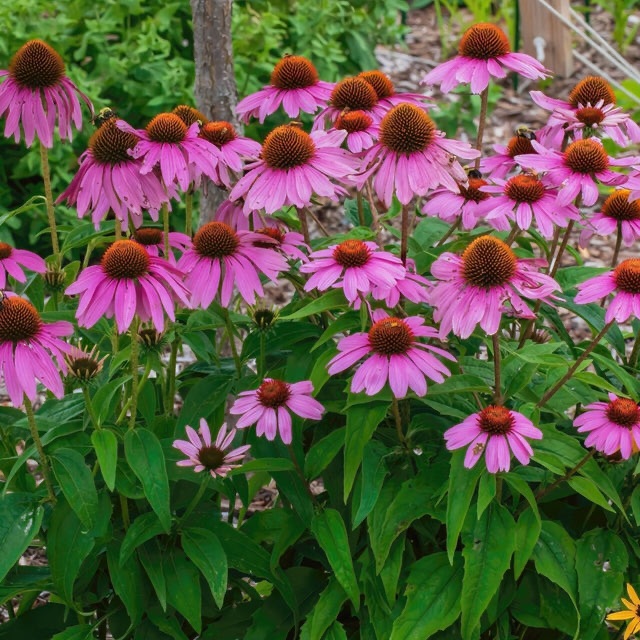
- Echinacea, purple coneflower, a cousin in the same daisy family that pairs beautifully in the same bed
Why They Earn a Permanent Spot
They’re not fussy. They’re not particular about being pampered. They just show up, every single year, cheerful as ever, and ask for almost nothing in return. That’s the kind of plant worth building a garden around.