

For the season before anything shows up
The Quiet Work That Shapes the Whole Season
Out in the greenhouse and beds right now, things look quiet, but there’s already a lot underway- it is spring garden planning time! Sweet peas and larkspur are planted. Ranunculus is up next. Tulips are tucked in underground, letting winter do the slow work it always does best.
This is the stage of gardening that doesn’t get much attention — nothing is blooming yet — but it’s where the entire season is decided.
This is when you plan, adjust, rethink, and dream. When you decide what will fill the beds, what will climb, what will bloom early, and what will still be going strong months from now.
This guide is meant to walk you through that thinking.

1. Start With Your Space (Before You Start With Plants)
Before I ever order seeds, I look at where I’m planting.
Ask yourself:
- Am I planting in the ground, raised beds, containers, or a greenhouse?
- How much sun does this space actually get?
- Is it close to the house (easy to water and harvest), or farther out?
- Is it protected from wind, or wide open?
On our farm, I plan very differently for:
- long, open beds meant for cut flowers
- smaller beds near the house for herbs and vegetables
- greenhouse beds where I can control timing and temperature
This step matters because good gardens aren’t about forcing plants to cooperate — they’re about putting plants where they naturally want to grow.


2. Know Where You Live (Zone + Frost Dates)
Two pieces of information anchor everything else:
- your USDA Plant Hardiness Zone – Search “USDA plant hardiness zone + your zip code”
- your average last frost date – Search “average last frost date + your city”
What this means in real life
I garden in Zone 7B, and my last frost is usually mid-April.
That tells me:
- cool-season flowers like sweet peas and larkspur can go in early
- tulips and ranunculus need winter and early spring cold
- tomatoes, peppers, zinnias, cucumbers, squash, and basil wait
Do I break these rules? All the time. I plant early, experiment, and take calculated risks.
But here’s the key:
You have to know the rules before you can bend them.
That’s how experimenting stays fun instead of frustrating.
3. Set Goals for This Season (This Changes Everything)
Before choosing plants, I ask myself what I want this garden to do.
Some years, my goals look like:
- grow as many flowers as possible for cutting
- grow enough food to cook with and share
- focus on plants that come back year after year
- try a few new varieties without overcommitting
I’m a flower person, so my beds often lean toward:
- lisianthus
- zinnias
- gomphrena
- celosia
- strawflower
- sweet peas
- ranunculus
- larkspur
- dahlias
But I also grow food I truly use:
- heirloom tomatoes and peppers
- cucumbers and squash
- herbs like basil, thyme, sage, rosemary, and mint
And I plan long-term with:
- blackberries
- grapes
- lavender
- peonies
- hydrangeas
Ask yourself:
- Do I want flowers, food, or both?
- Do I want fast results, long-term plants, or a mix?
- What do I actually enjoy harvesting or cutting?
Your garden should serve your life — not someone else’s checklist.


4. Build the Backbone With Perennials
Perennials are the bones of the garden.
These are plants you place intentionally because they come back year after year:
- black-eyed Susans (rudbeckia)
- Lenten roses
- lavender
- peonies
- hydrangeas
- roses
- perennial herbs like thyme, sage, and rosemary
- fruiting plants like blackberries and grapes
I decide where these live first. Once they’re planted, I design everything else around them.
This is how gardens gain depth and maturity over time.


5. Choose Your Seasonal Players (Annuals & Edibles)
Annuals and vegetables bring flexibility and creativity.
Flowers like:
- zinnias
- celosia
- gomphrena
- strawflower
- sweet peas
- larkspur
- ranunculus
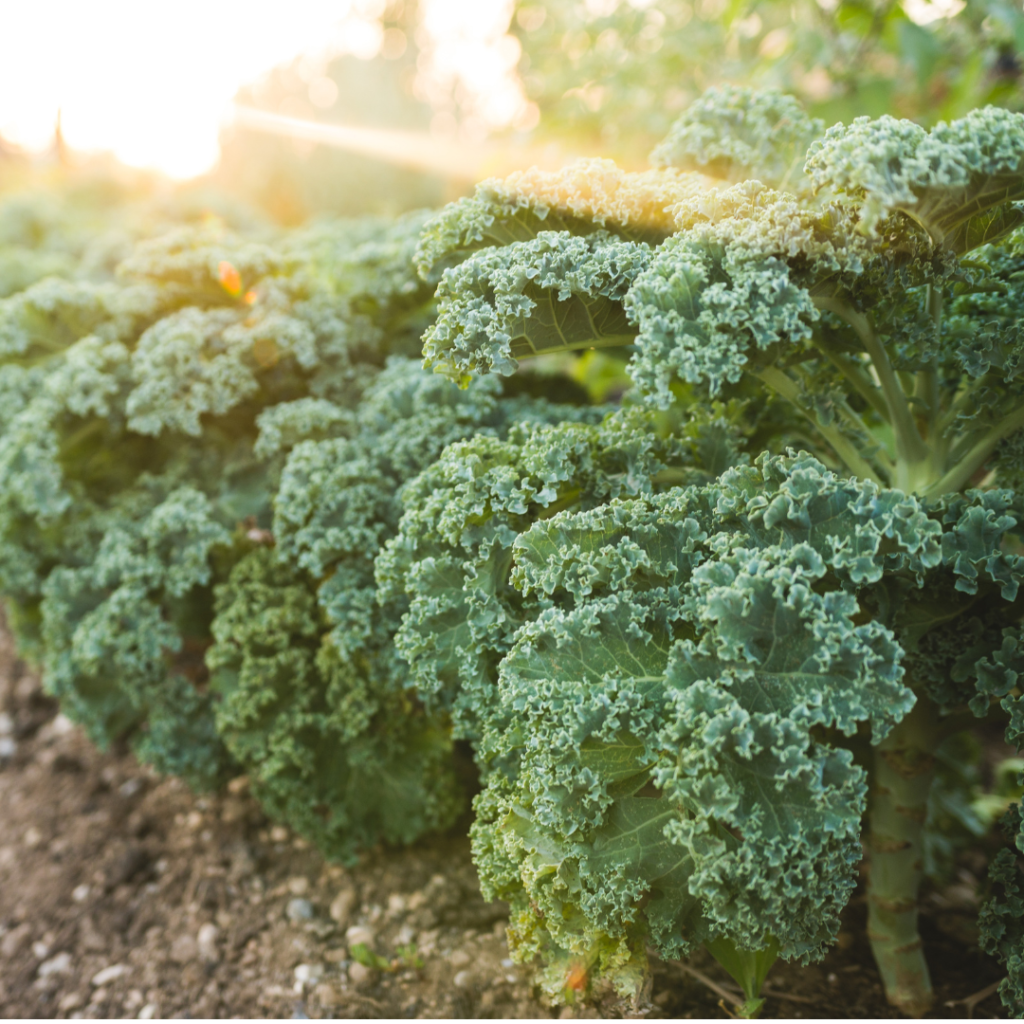
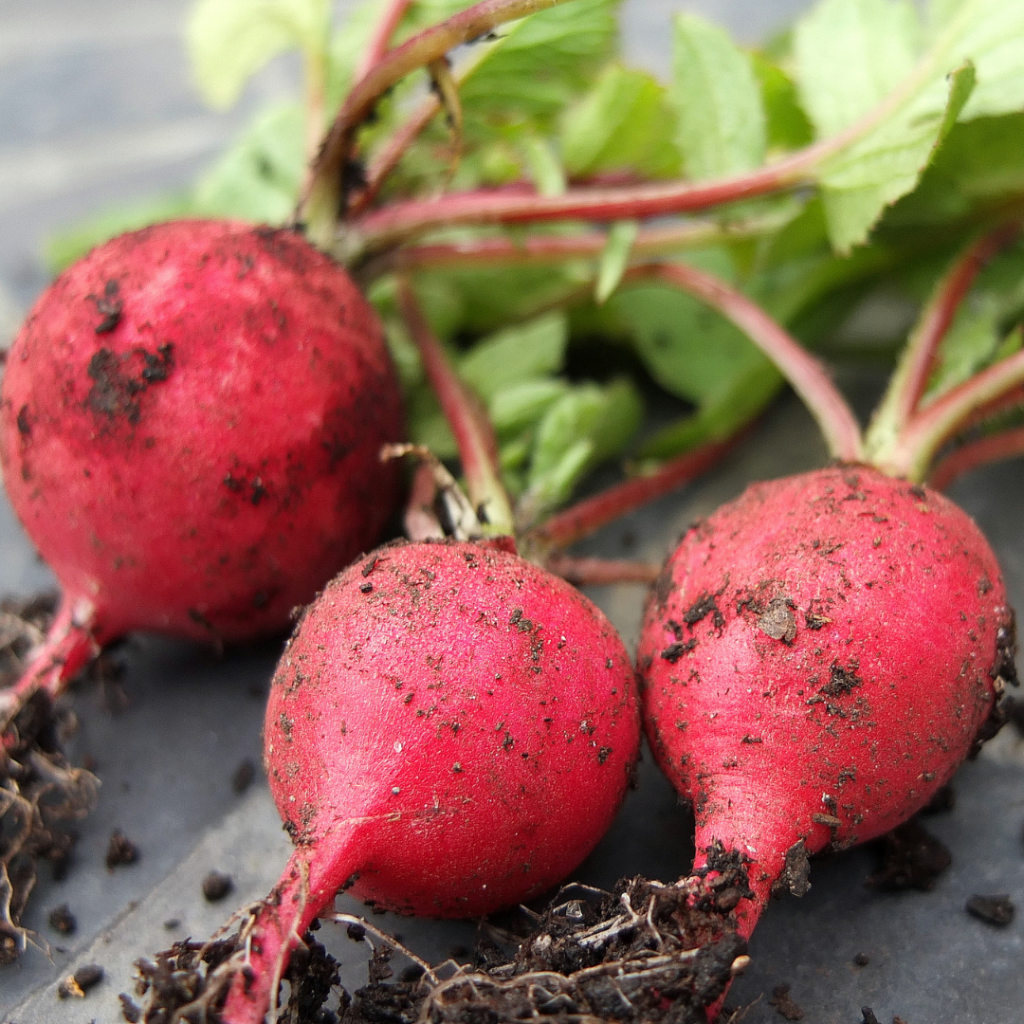
Vegetables and herbs like:
- tomatoes and peppers
- cucumbers and squash
- basil and tender herbs
These are the plants you can change year to year depending on curiosity, space, and energy.




6. How Different Plants Get Started
This is where planning saves a lot of frustration.
Here’s how I actually do it:
- Seeds: sweet peas, larkspur, zinnias, celosia, gomphrena, herbs
- Corms: ranunculus
- Bulbs: tulips
- Tubers: dahlias (I like to pre-sprout them)
- Plugs: lisianthus (far more reliable for me)
- Seeds + starts: tomatoes, peppers, cucumbers, squash
Mixing seeds and starts lets you stagger harvests and avoid everything peaking at once.


7. When Things Go in the Ground
Using Zone 7B as an example:
Before last frost:
- sweet peas
- larkspur
- ranunculus
- tulips
After last frost:
- zinnias
- tomatoes
- peppers
- cucumbers
- squash
- dahlias
Helpful references I trust:
- Johnny’s Selected Seeds
- Floret Flower Farm
- Farmer Bailey
I group plants by before frost and after frost, which keeps planting calm instead of rushed.
8. Starting Plants Early (And Where)
If you want plants outside in April or May, the planning happens earlier.
How I use protected space:
- zinnias are always direct-sown — no need to waste greenhouse space
- lisianthus comes in as plugs so it’s already strong
- tomatoes and peppers get started early for earlier harvests
- dahlias get pre-sprouted to give them a head start
Other options:
- greenhouse
- milk-jug mini greenhouses
- cold frames
- grow lights indoors
Protected space is valuable — use it where it truly helps.

9. Some of My Favorite Places to Source Seeds, Corms, Bulbs, and Plugs
Good sources make planning easier.
Seeds:
Plugs, Corms, & Bulbs
- Farmer Bailey
- small and micro flower farms
I love supporting small growers whenever I can.
10. Choose One Next Step
Planning doesn’t mean doing everything at once.
Right now, my next steps look like:
- planting ranunculus
- starting a few trays
- letting winter finish its work
Yours might be:
- finding your zone
- sketching a bed
- ordering a few seed packets
That’s enough to move forward.
A Final Thought
Gardening asks for patience before it gives anything back. You do the work long before the reward shows up. You trust what’s happening underground. You learn, adjust, and keep going.
This season starts quietly — and that’s exactly how it should.
One Response
Love the farm life