
Growing Flowers
Cut flowers, old favorites and a garden that keeps on blooming.
Flowers are the part of the garden we cannot do without. We grow dahlias, zinnias, ranunculus, lisianthus and a long list of old school perennials, and we cut them for our table, our neighbors and anyone who stops by.
These guides are written for every kind of garden. Wherever you live, find your zone and frost dates and you can follow right along.
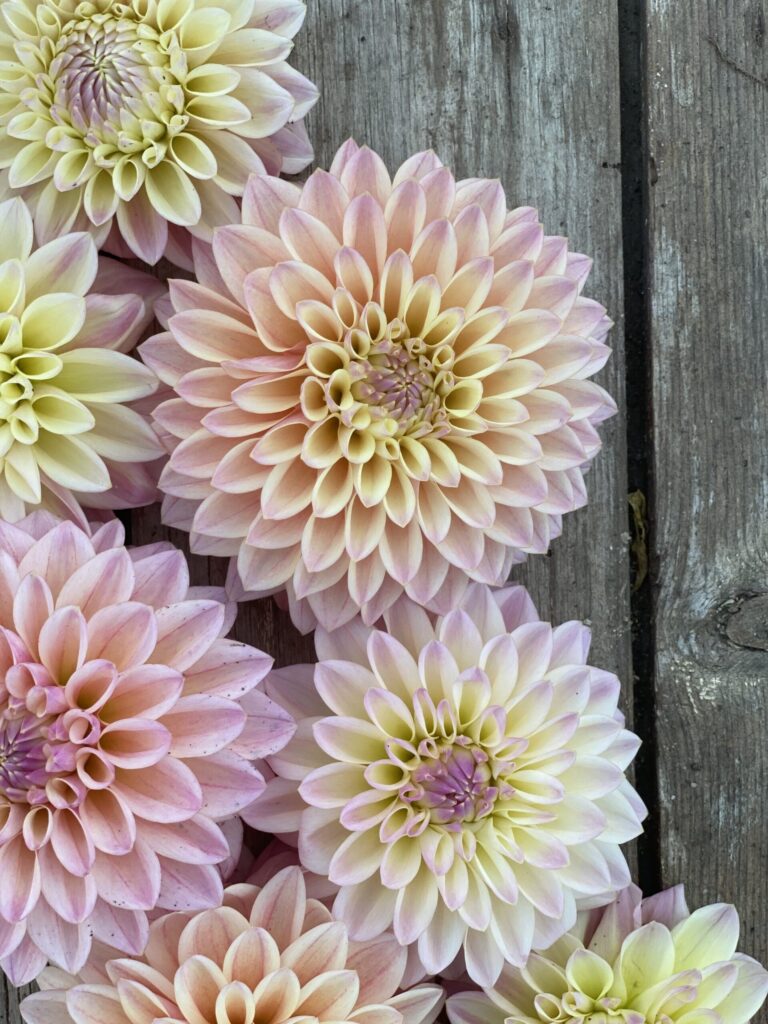
Start here
How we plan, start and keep a flower garden blooming, wherever you garden.
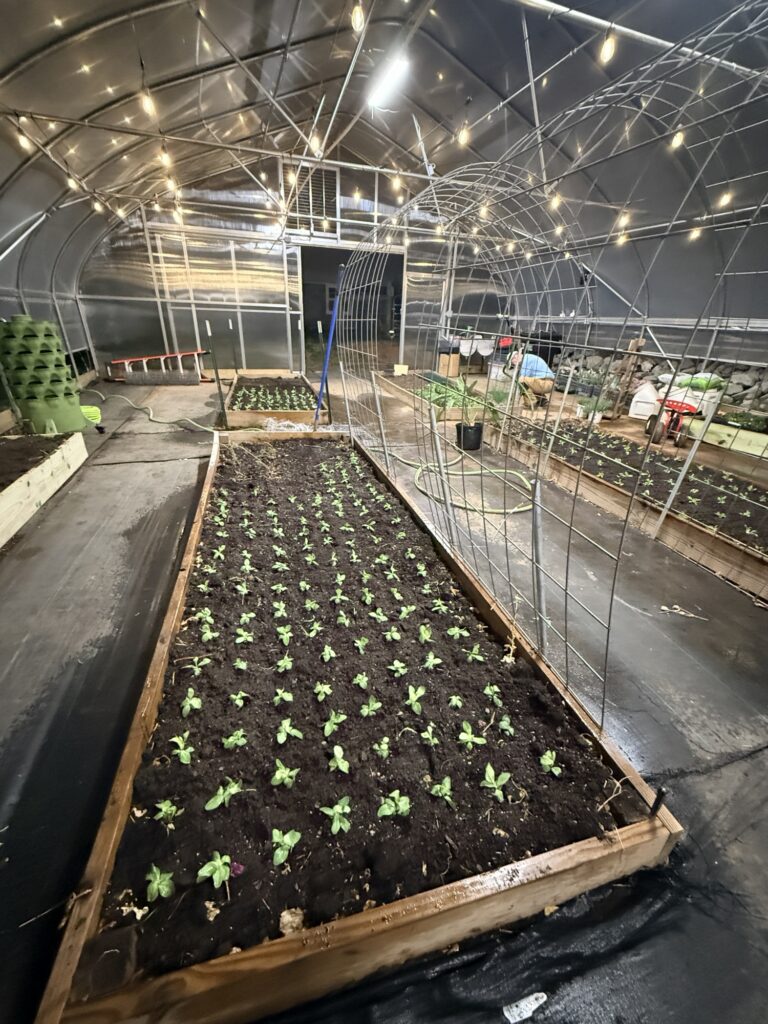
What We’re Growing in Our Greenhouse This Year (And Why I Chose These Flowers)
A full look inside our greenhouse and gardens at Sweet BombDiggity Farms, what we’re growing, why we chose it, and how to create a space filled with be…
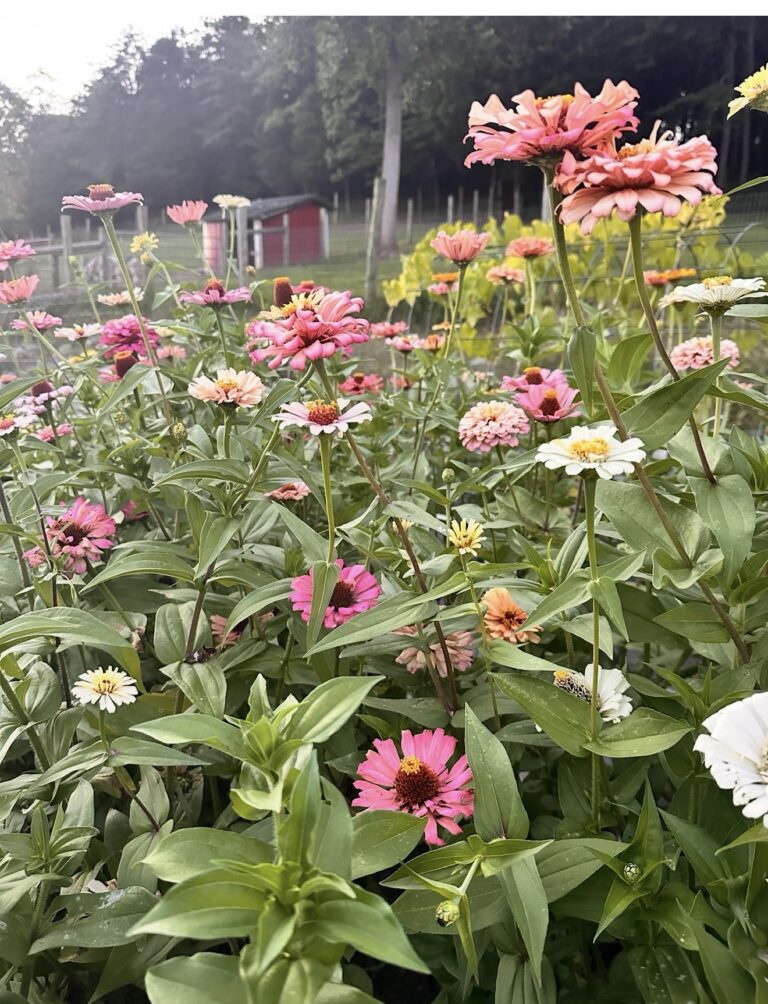
The Pinch List for Maximizing Blooms
Sweet BombDiggity Farms · Garden Guide The Pinch List Which flowers to cut back, which to deadhead, and which to leave completely alone. We’re right o…
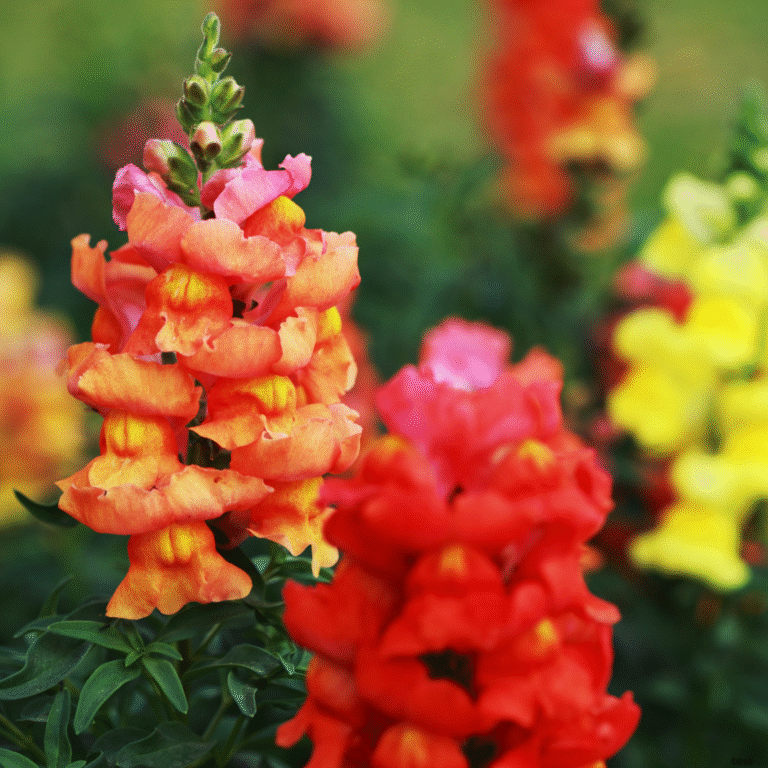
A Field Guide to Cool Weather Flowers
Snapdragons, larkspur, sweet peas, pansies and violas, stock, bachelor’s buttons and calendula all grow best when it is cool. In zones 7 through 9, mo…
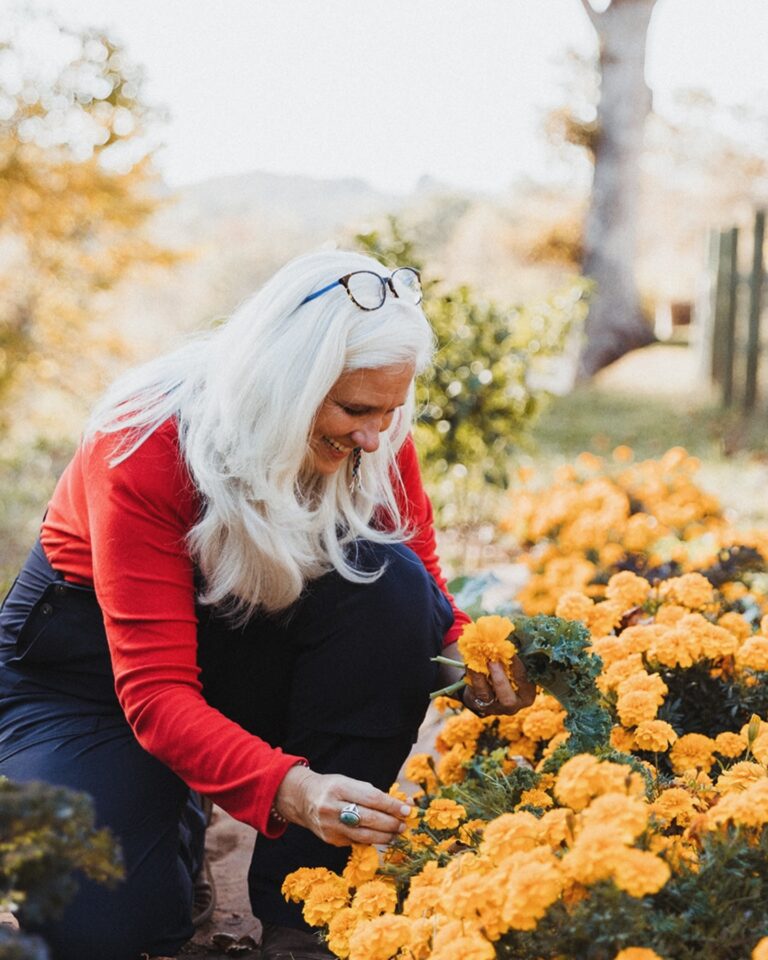
Gather Today, Bloom Tomorrow: A Simple Guide to Saving Seeds
There’s something magical about this time of year. The days are still warm, the garden is buzzing with life, and everywhere you look, little treasures…
Our favorite flowers to grow and cut
Full guides to the flowers we come back to every year, from dahlias and zinnias to the old school black-eyed Susans.
The Complete Dahlia Guide: Planting, Pinching, Cutting and Storing Tubers
Dahlias are tender perennials. In Zone 7 they survive some winters in the ground and rot in others, so most of us dig the tubers after the first frost…
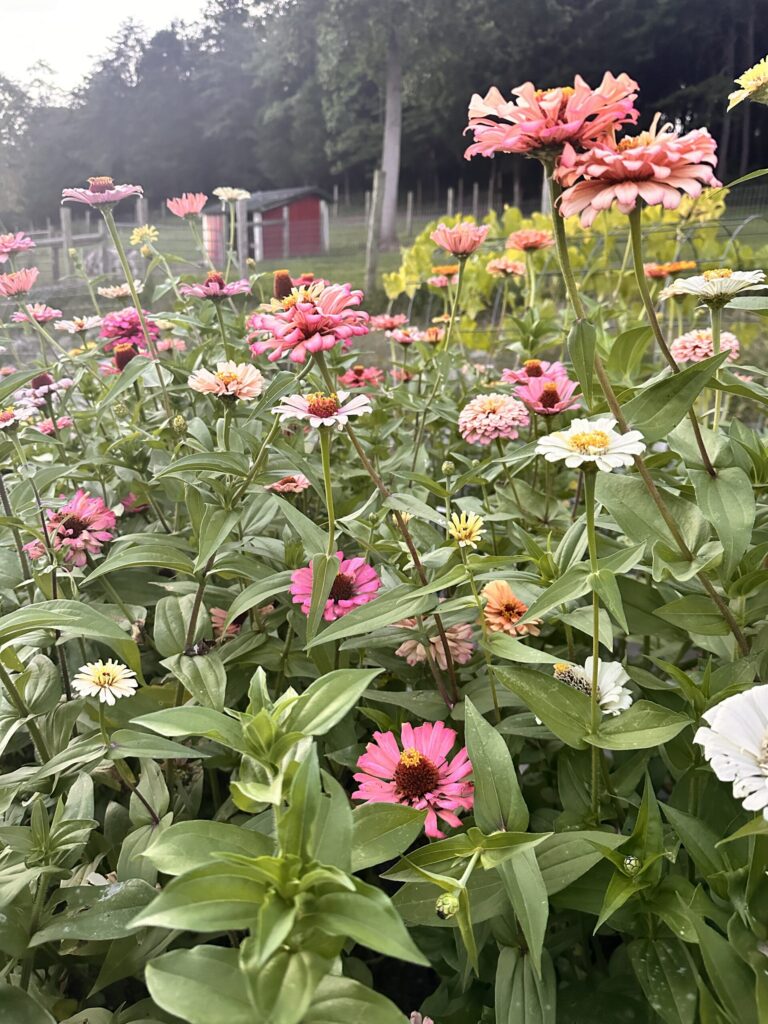
The Complete Zinnia Guide: How to Grow, Cut, and Save Them
Zinnias are annuals, but they are the easiest seed in the garden to save. How to sow them, cut them so they keep blooming, beat powdery mildew, and sa…
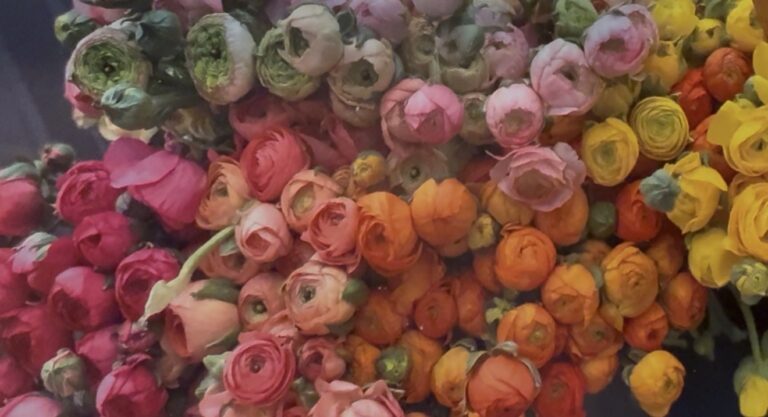
Ranunculus 101: A Beginner’s Guide to Growing These Stunning Spring Flowers
Ranunculus might be a funny word, but they grow into some of the most beautiful spring flowers you’ll ever see. Layers of soft, ruffled petals. Long, …
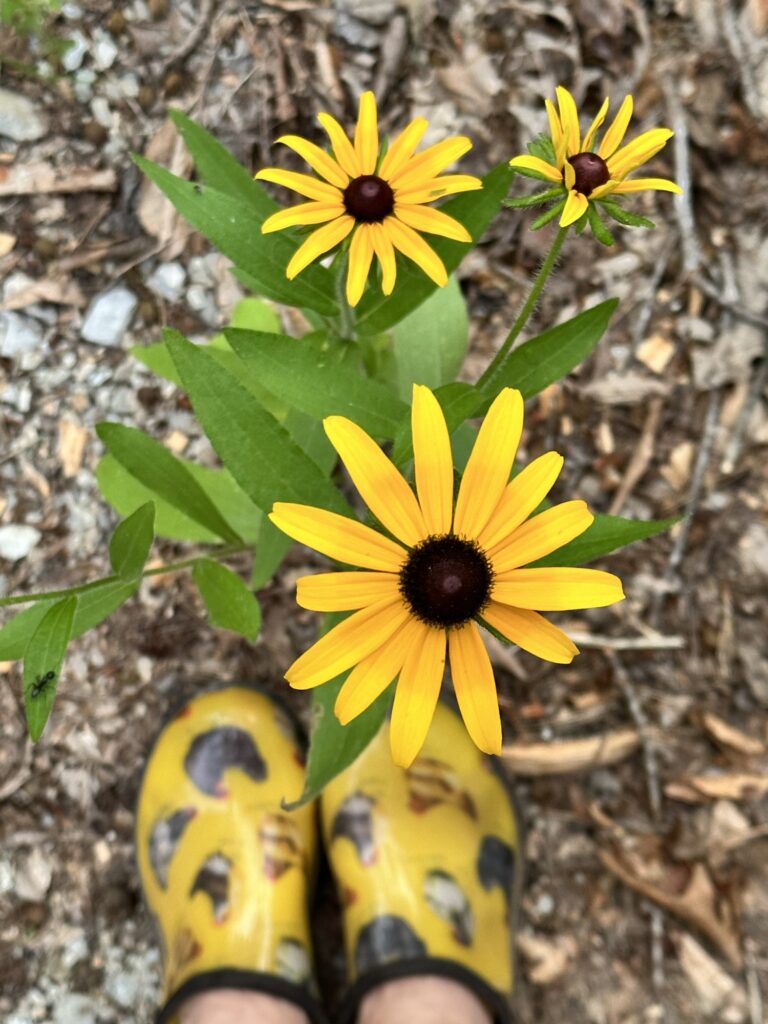
Black-Eyed Susans Guide: The Old School Flower That Keeps Giving
Not all black-eyed Susans are created equal. From the classic ‘Rudbeckia hirta’ to the dramatic ‘Rudbeckia maxima,’ each variety offers unique beauty …
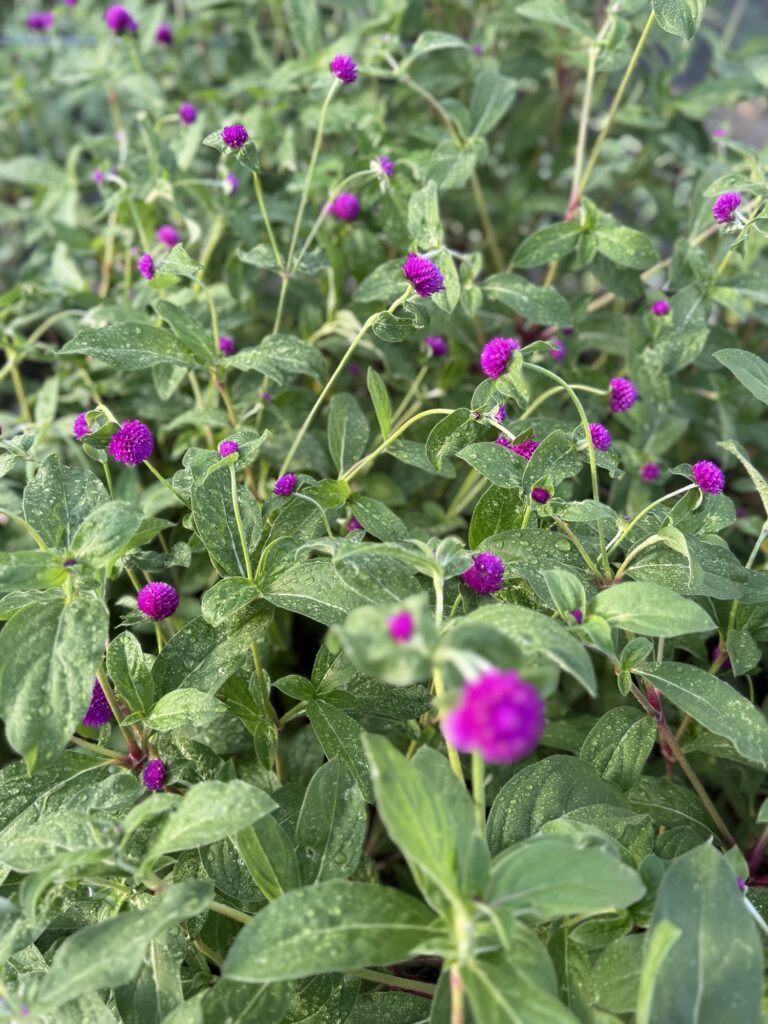
Gomphrena: Small Blooms, Big Impact
Some flowers make a scene. Gomphrena just shows up and stays. These little globe-shaped blooms might not steal the spotlight, but they bring lasting c…
The Magic of Marigolds: More Than Just a Pretty Face
This time of year, marigolds go from polite garden guests to full-on showstoppers. They spill over the edges of beds, pop through veggie rows like gol…
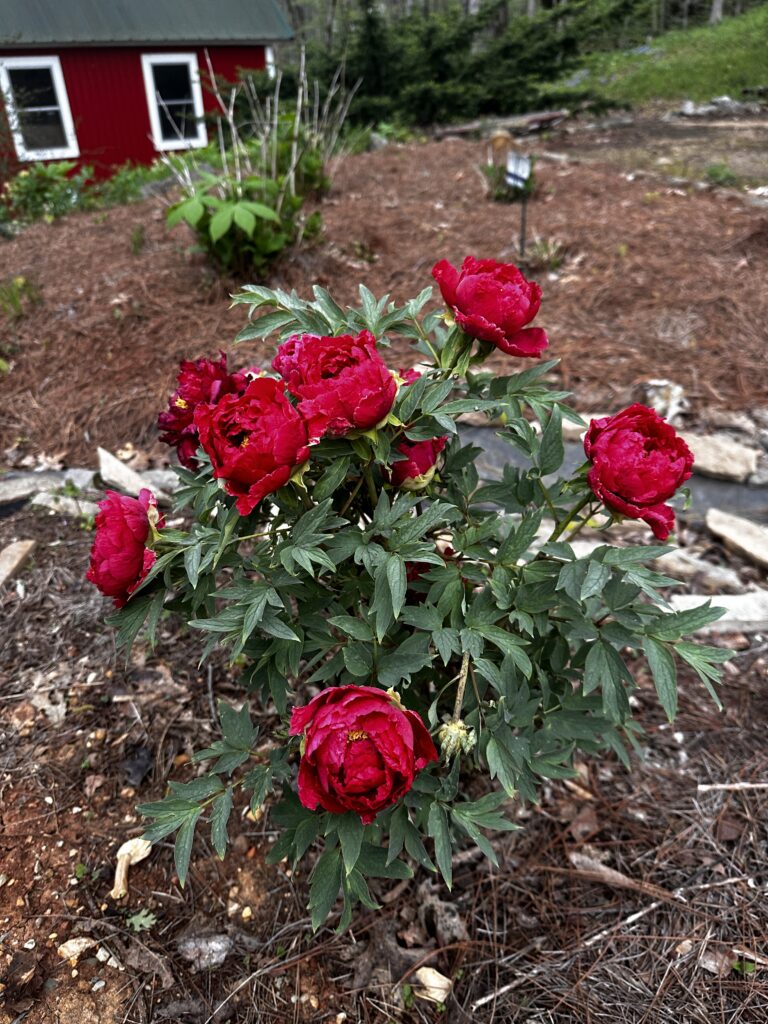
Peony Planting Tips for Spring
I just love to see things grow, both plants and people! Today, we’re getting our hands dirty with peonies, planting them right from the root. I love th…
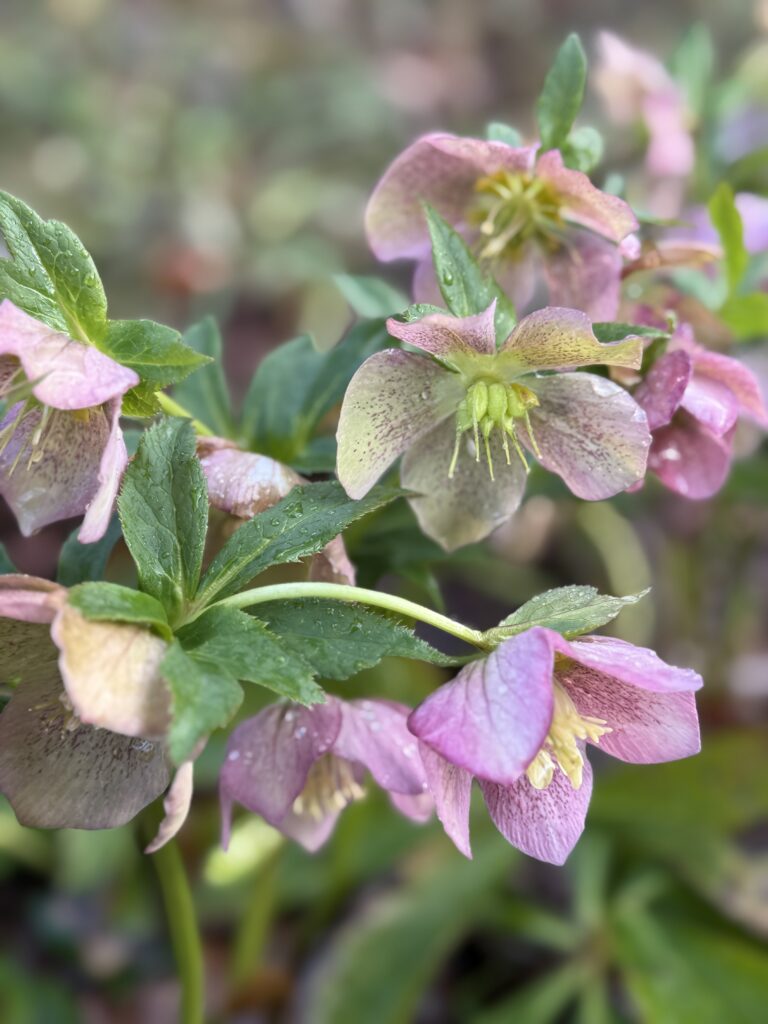
Unsung Cut Flower Garden Must Have: Helleborus
Happy Saturday Friends! Today we’re celebrating the unsung hero of our spring garden: the Helleborus, also known as Lenten Rose. These beauties are th…
Shrubs, perennials and blooming houseplants
The plants that give the garden its bones, plus the holiday cactus on the windowsill.
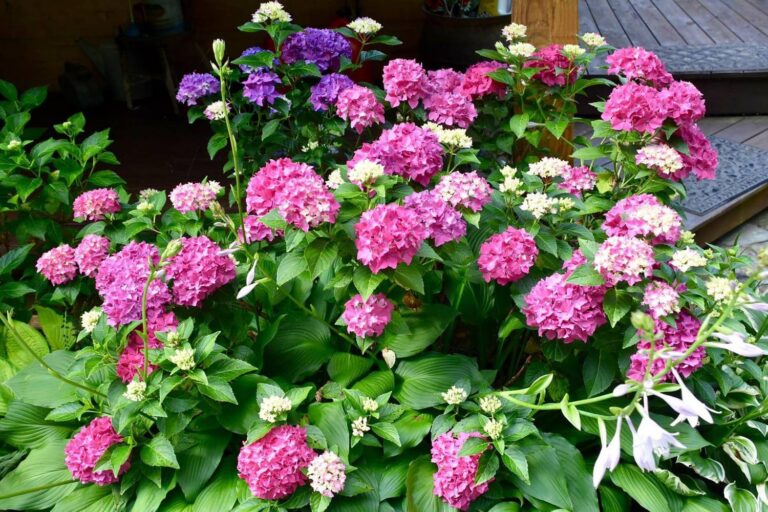
The Complete Hydrangea Guide
All six hydrangea types in one place: old wood vs new wood, when and how to prune each one, feeding, winter care, pests, and the reasons a hydrangea r…
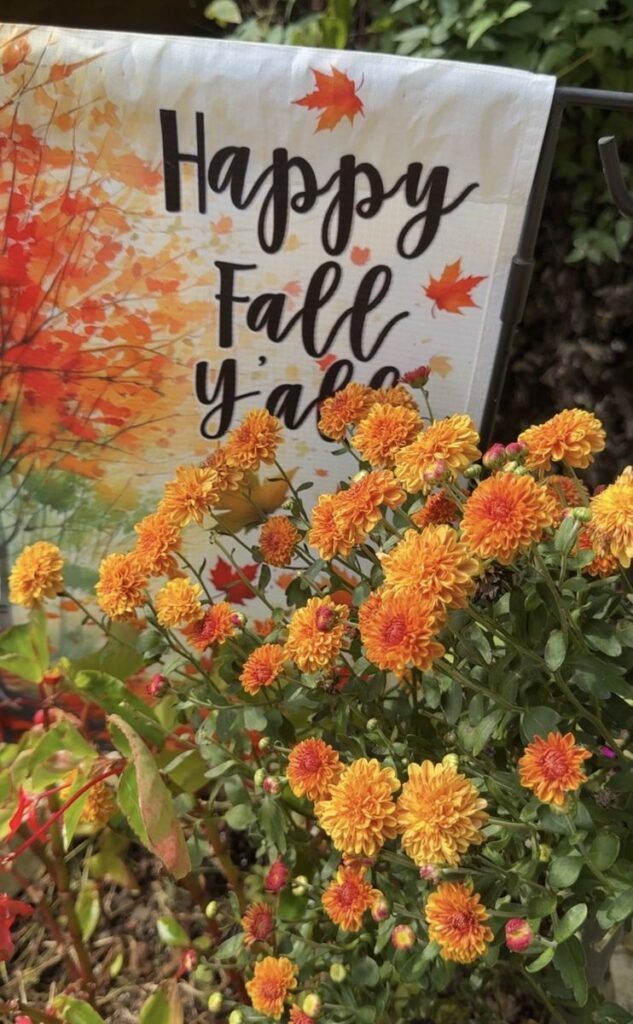
The Complete Mum Guide: Which Mums Come Back Every Year
Why the round fall mums almost never come back, how to make the ones you bought last, and how to grow perennial mums that return bigger every year. Zo…
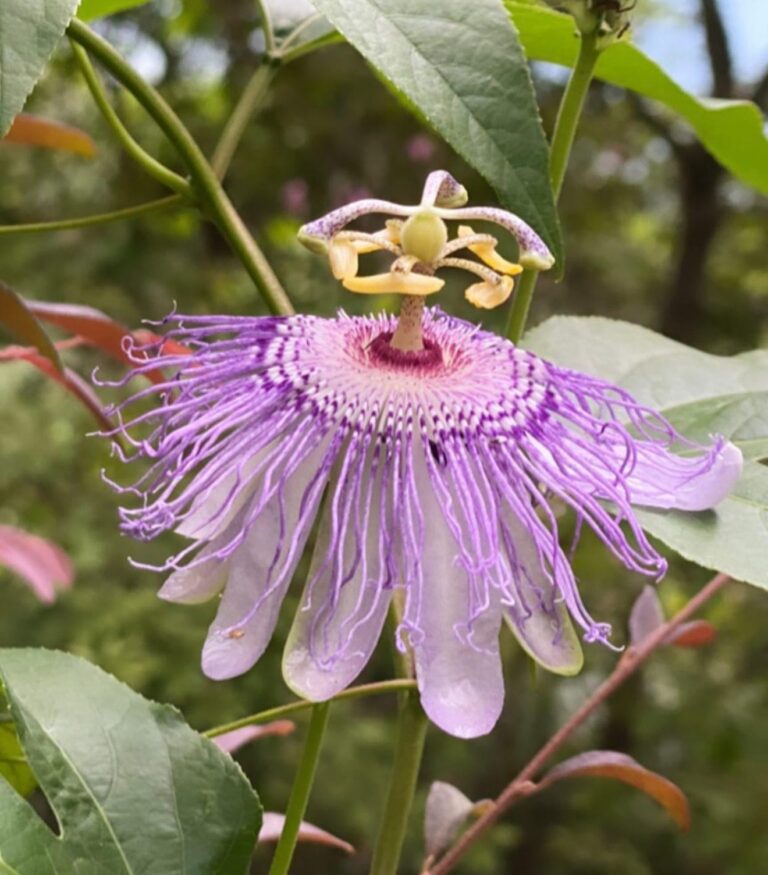
Passionflower: Wild, Beautiful, and Surprisingly Useful
At first glance, passionflower looks like a plant you’d expect to see in a fairytale. Its delicate, starburst blooms seem too intricate to grow wild… …
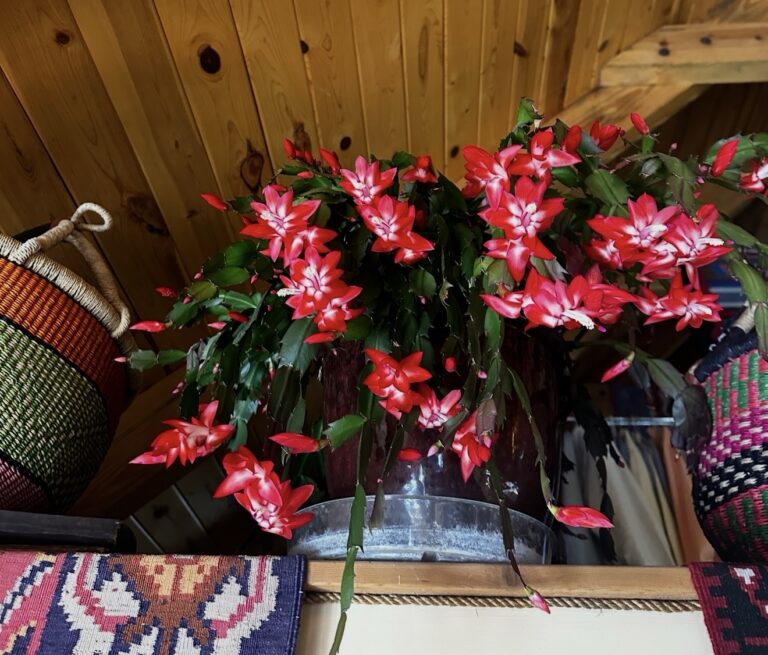
The Complete Holiday Cactus Guide: Christmas, Thanksgiving, and How to Make Them Bloom
Most holiday cacti sold as Christmas cactus are actually Thanksgiving cactus, and nearly all of them will rebloom every year if you give them six week…
Cutting and arranging
Bringing it all inside, whether it came from your garden or the grocery store.
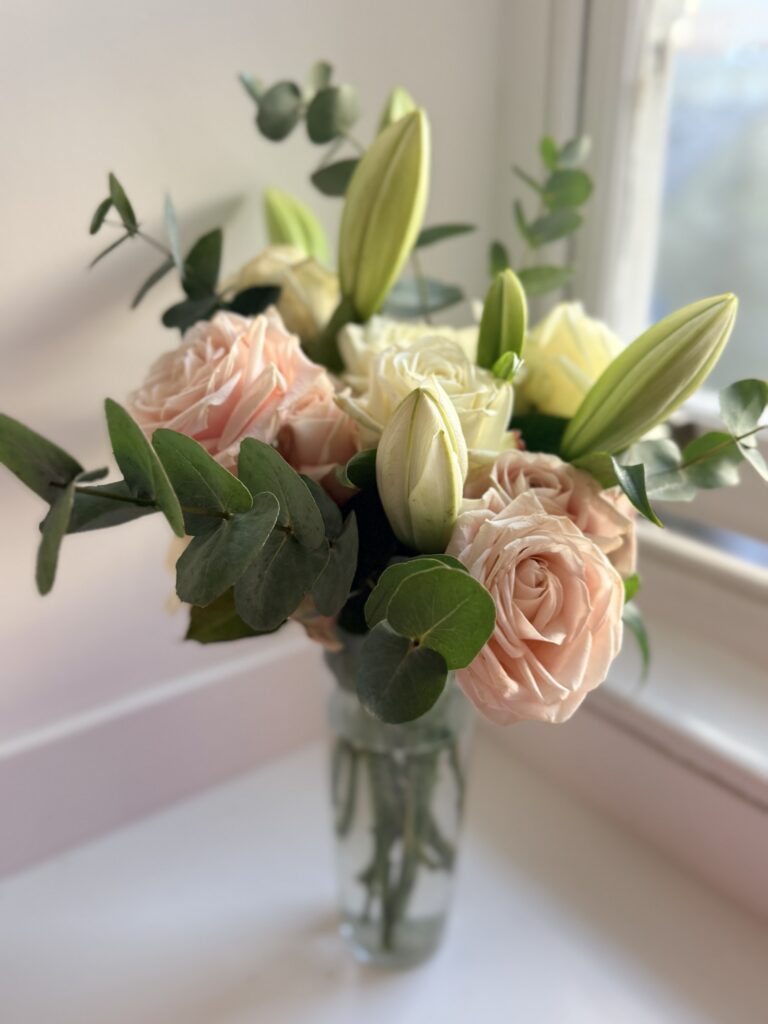
How to Arrange Store-Bought Flowers So They Look Natural
Learn how to arrange store-bought flowers naturally, plus simple tips to help cut flowers last longer at home.
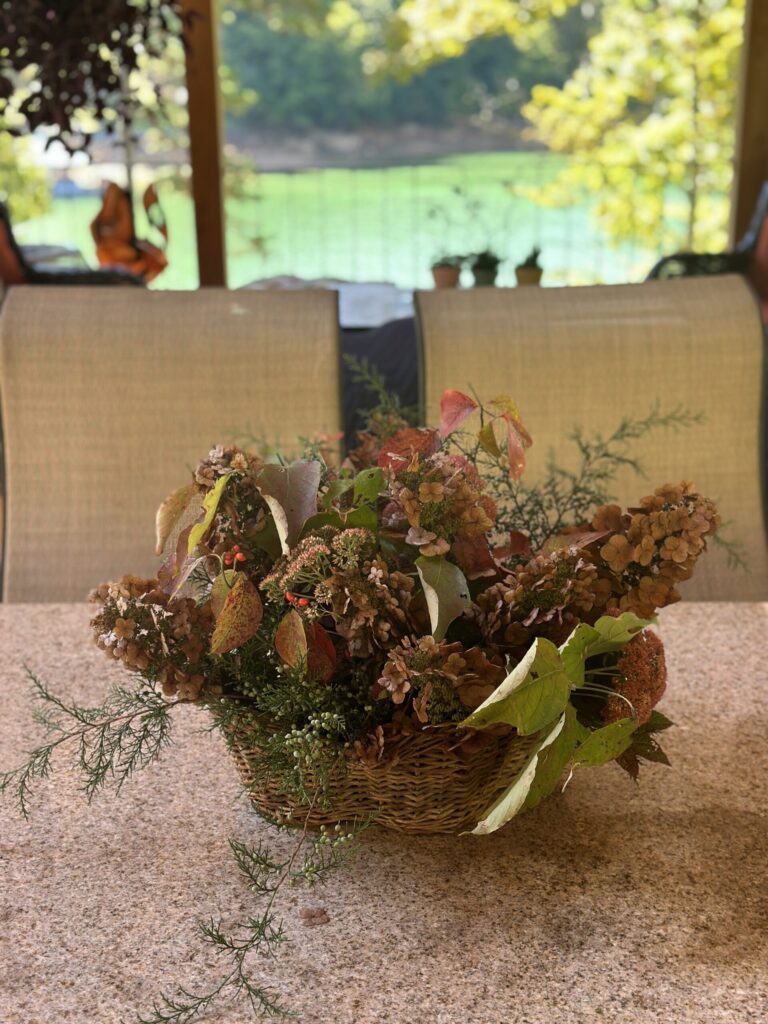
Create a Beautiful, Natural Flower Arrangement for Fall – For FREE!
Sometimes, the most beautiful things don’t come from a store, they’re right outside your door. A couple of days ago, I stumbled upon a perfectly good w…
Flower growing questions we get
Which cut flowers keep blooming the more you cut them?
Zinnias, cosmos and bachelor’s buttons are our cut-and-come-again favorites. The more you cut, the more they produce, so pick often all season.
When should I plant cool weather flowers?
When your soil is between 50 and 65°F. For most gardeners in zones 7 through 9 that means October and November, in zones 3 through 5 it means March and April, and zone 6 can use either window. Snapdragons, larkspur, sweet peas and bachelor’s buttons all love it.
Do black-eyed Susans come back every year?
The traditional Rudbeckia fulgida, often sold as ‘Goldsturm’, is a true perennial and returns from the same crown. Rudbeckia hirta types live a season or two, but they reseed so well that the patch keeps coming back.
How do I know when to plant where I live?
Look up your USDA hardiness zone and your average first and last frost dates. Almost everything in our guides is timed from those frost dates, so you can follow along from any zone.
Pull up a chair.
A letter from our place to yours, every other Thursday, with what is blooming and what we are planting next.