
Growing Vegetables
Heirloom tomatoes, potatoes, greens and everything we grow to eat.
We grow food we actually use: heirloom tomatoes and peppers, potatoes, garlic, cucumbers, beans, lettuce and a fall garden full of greens. These are the guides we wish we had when we started.
Everything here is timed from your own frost dates, so you can follow along wherever you garden.
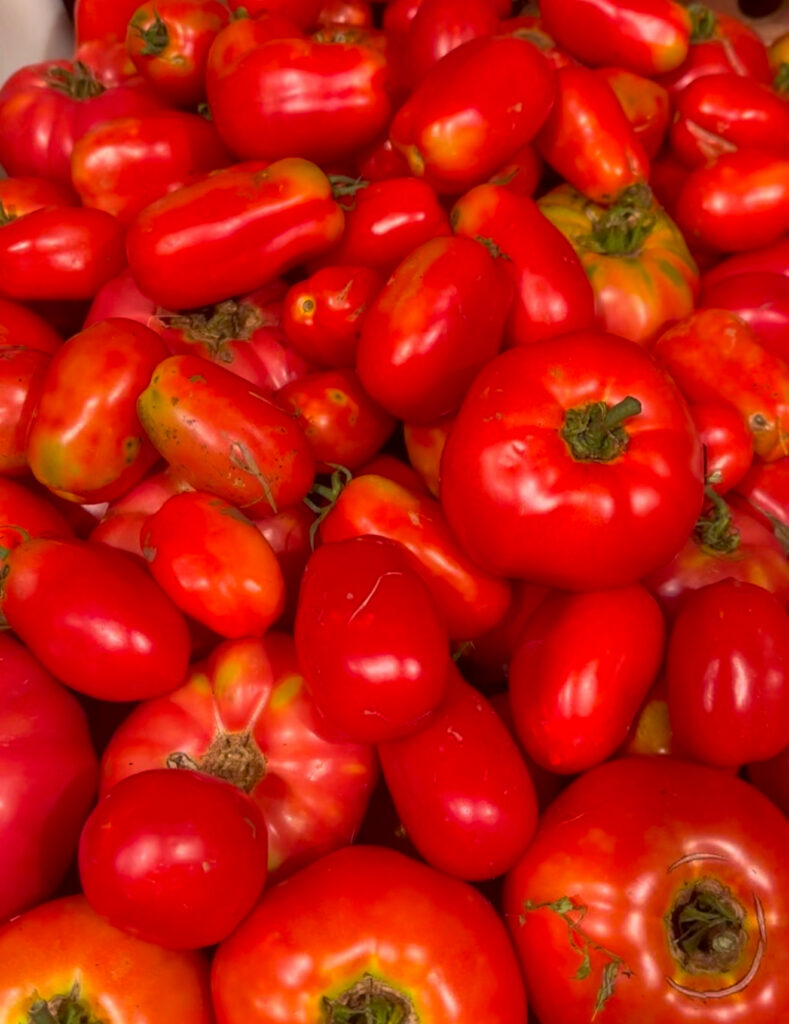
Planning, beds and starting seeds
Where to plant, how to build the beds and how to get seeds going before the weather warms up.
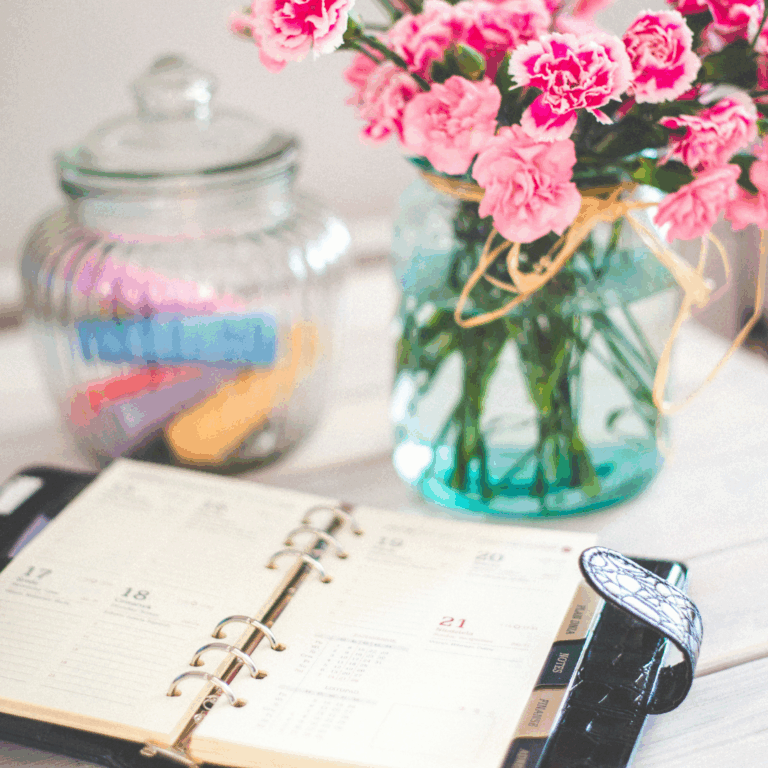
Spring Garden Planning Guide
Spring garden planning comes down to a few decisions you make in winter: where you will plant, your zone and last frost date, what you want to grow, a…
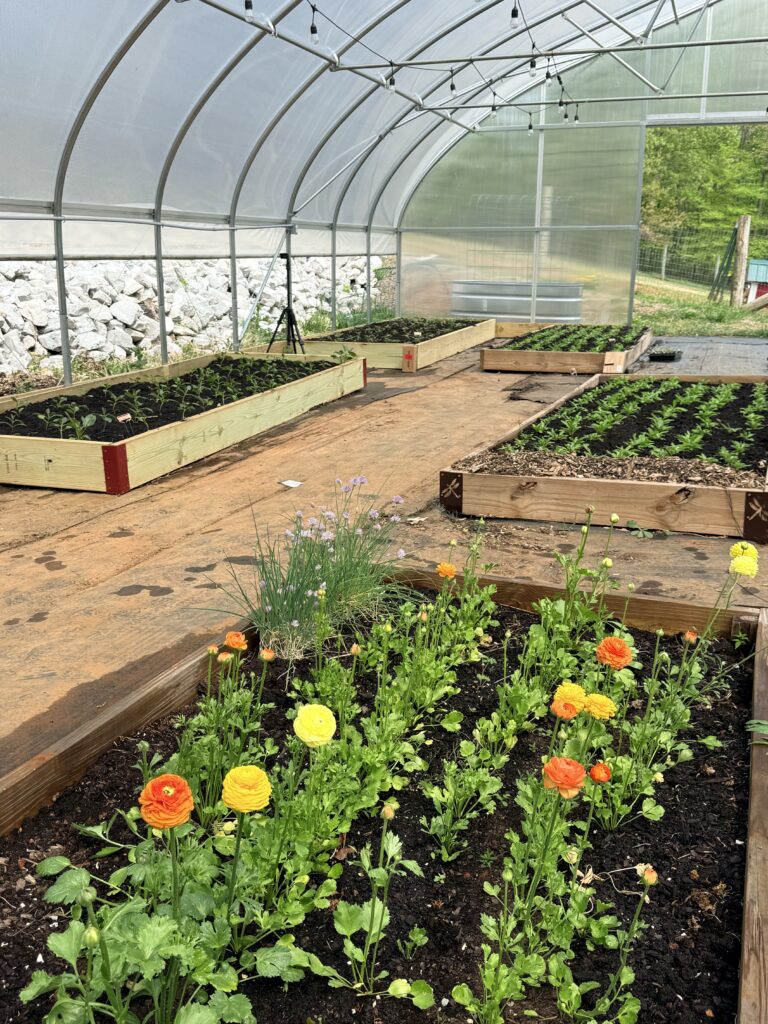
3 Tips for Raised Beds: Building Our Raised Beds for the Greenhouse
Here are 3 essential tips for building and preparing raised garden beds: 1⃣ Selecting Treated Lumber Safely: We used treated garden-safe lumber and cr…
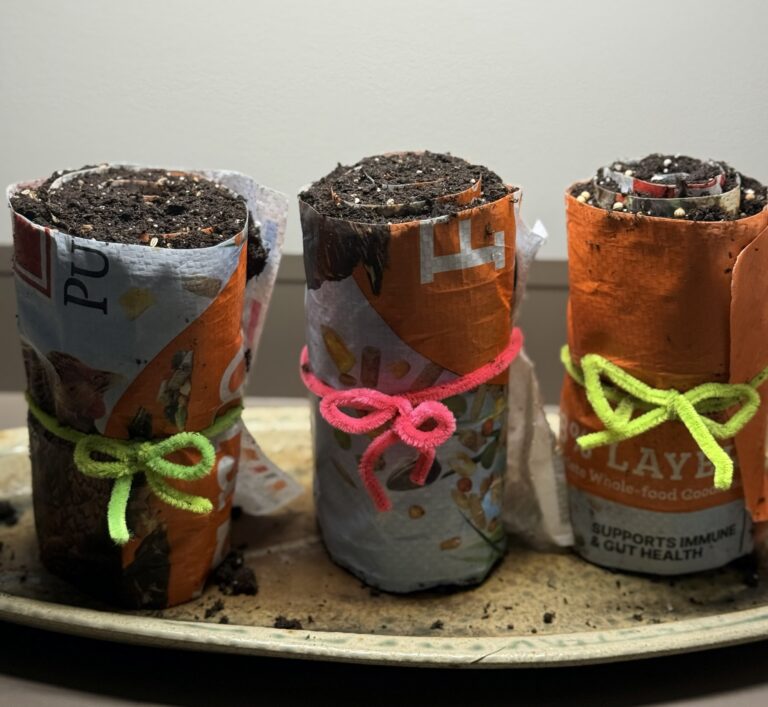
Snail Roll Seed Starting: How to Start Seeds Early Without Trays
A snail roll is a strip of moist potting soil rolled into a loose spiral, with seeds sown along the top edge. It starts a lot of seedlings in very lit…
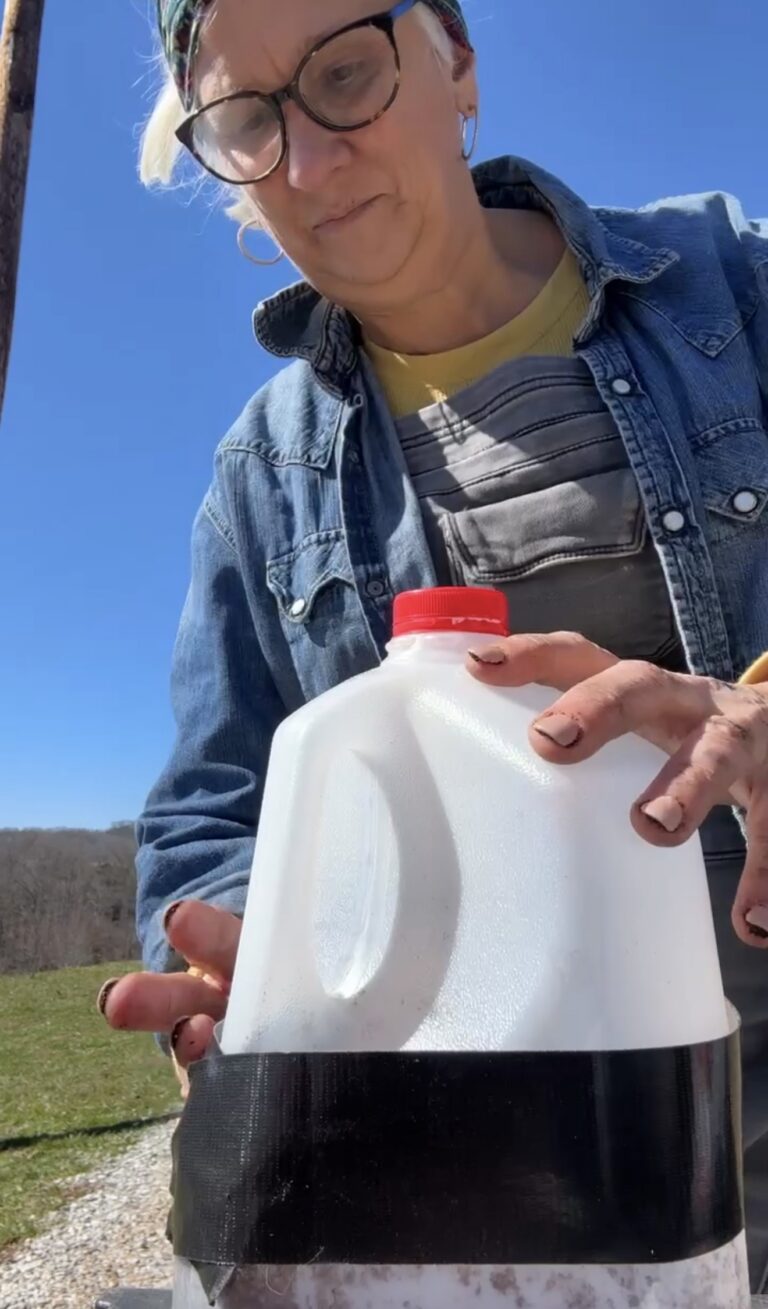
DIY Greenhouse Magic: Start Your Spring Seeds with a Milk Jug
Spring is in the air, and it’s time to get those green thumbs working. Do you feel like you’re missing out because you don’t have an elaborate seed-st…
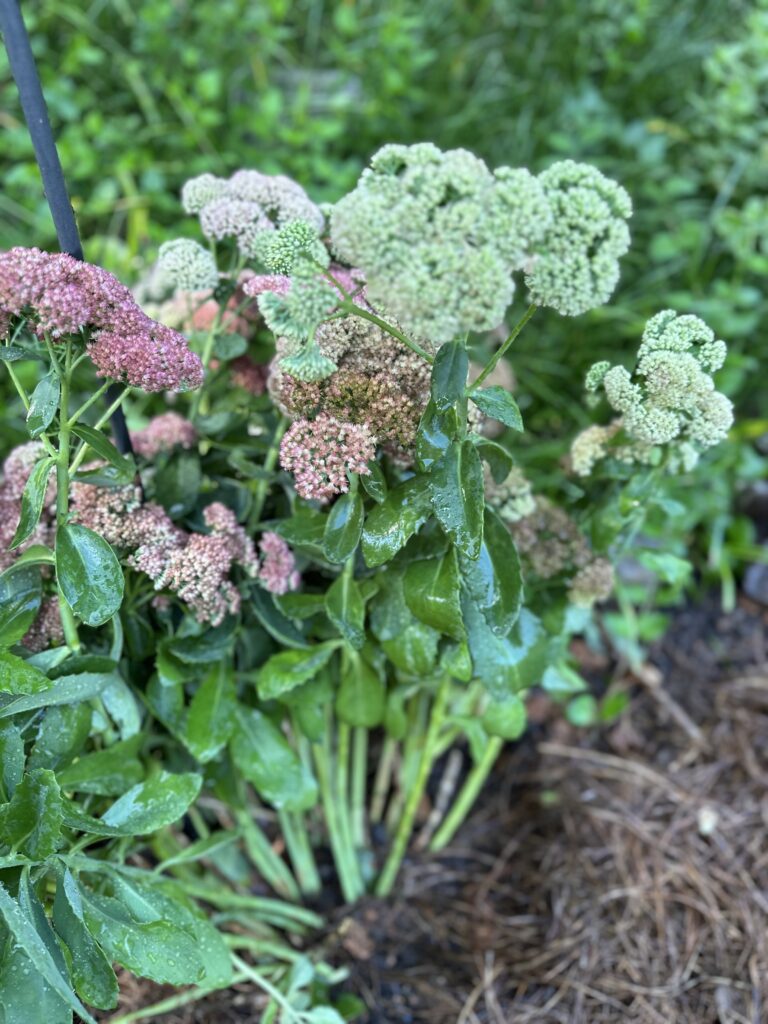
Transplanting Plants in the Wrong Season? Tips for Success
Today, I want to share some tried and true tips for successfully transplanting plants in the wrong season. Why? Well, I’ve got a special sedum that ha…
Why we grow heirlooms
Heirloom tomatoes and peppers go in our garden every year. Most heirloom tomatoes are indeterminate, so they keep producing all summer, and we train ours up cattle panels for support. Varieties like Brandywine, Mortgage Lifter and Paul Robeson come with flavor and stories you will not find at the store.
Heirlooms are open-pollinated, which means you can save the seed and grow the same plant again next year.
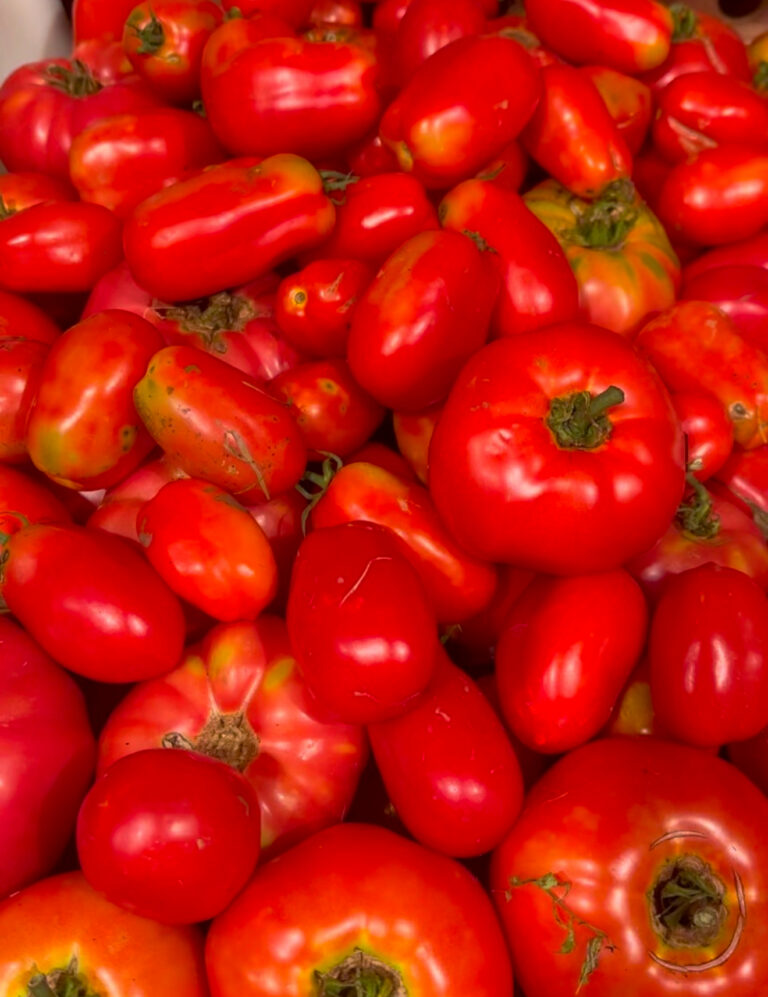
Determinate vs. Indeterminate Tomatoes: Everything You Need to Know to Grow a Better Harvest
Determinate tomatoes grow to a set height, ripen everything in a few weeks, and then they are done. Indeterminate tomatoes keep growing and keep fruit…
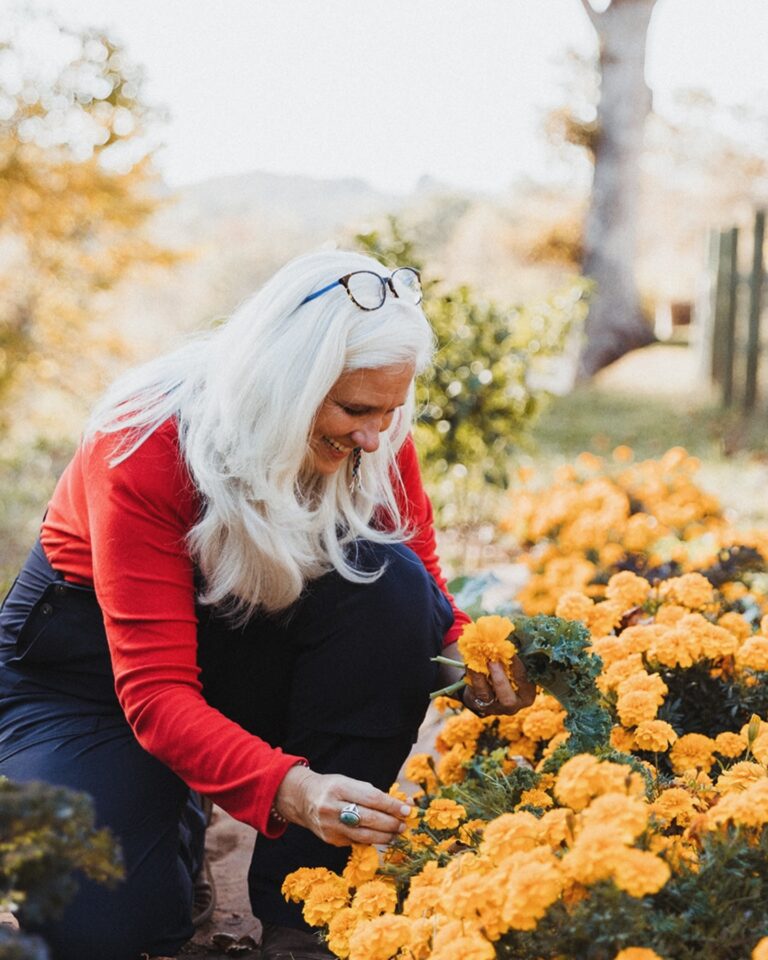
Gather Today, Bloom Tomorrow: A Simple Guide to Saving Seeds
There’s something magical about this time of year. The days are still warm, the garden is buzzing with life, and everywhere you look, little treasures…
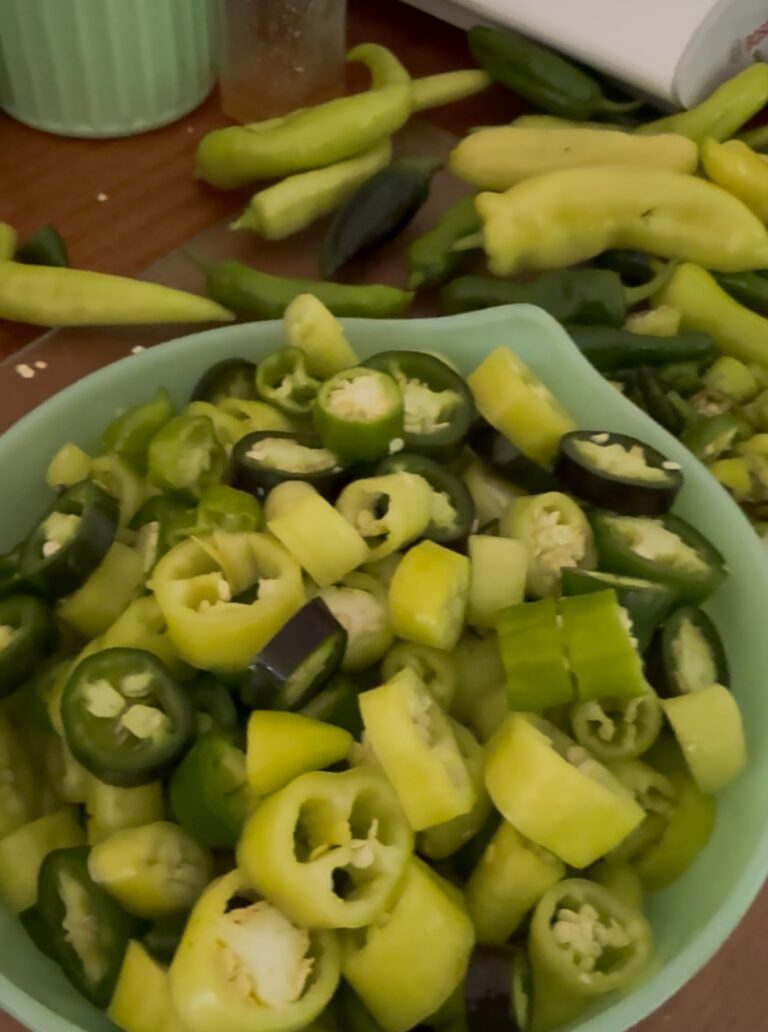
Cowboy Candy with Heirloom Peppers and Jalapeños
We had a bumper crop of jalapeños this year, and with all the gorgeous heirloom peppers coming in, this Cowboy Candy recipe is the perfect way to pres…
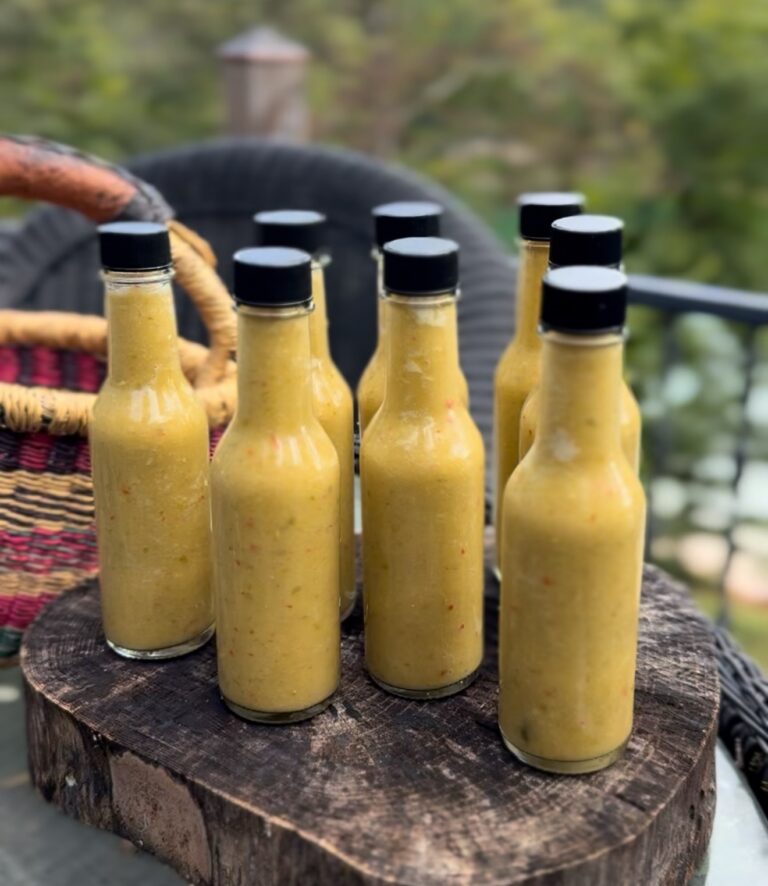
BombDiggity Blaze Hot Pepper Sauce Recipe
When heirloom peppers come in by the basketful, I start looking for every way to use them. This year I’ve roasted them, dried them, stuffed them, and …
Crop by crop
Our guides to the vegetables we grow most, from tomatoes and potatoes to quick fall greens.
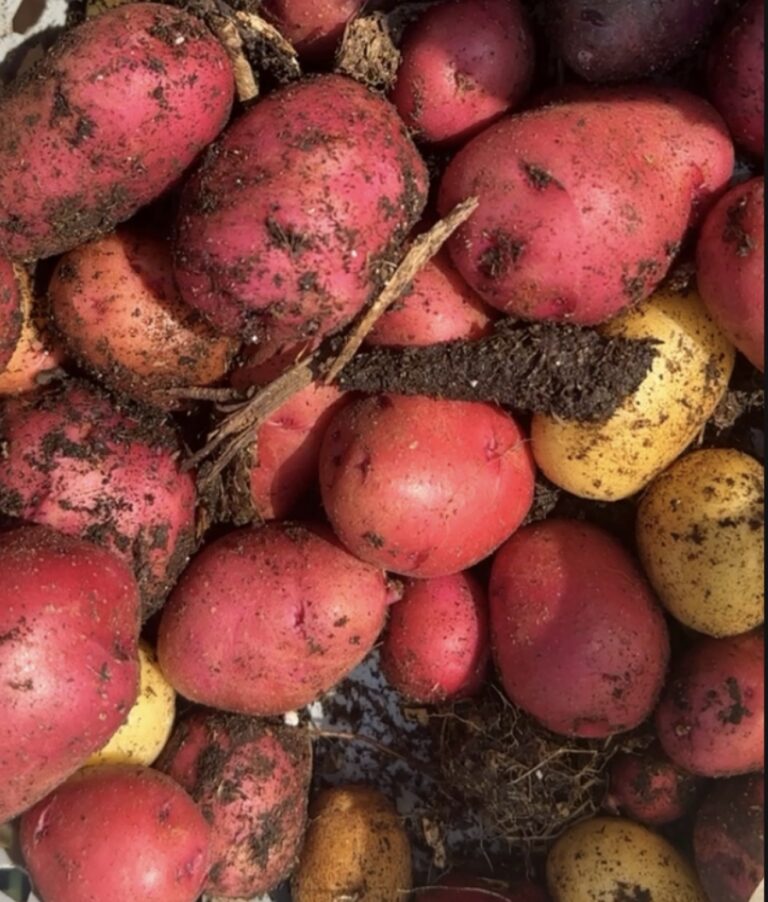
Determinate vs. Indeterminate Potatoes: Everything You Need to Know to Grow, Hill, and Harvest Like You Mean It
Discover the secrets to mastering potato gardening. Determinate varieties are straightforward, producing a single harvest at a set time. Indeterminate…
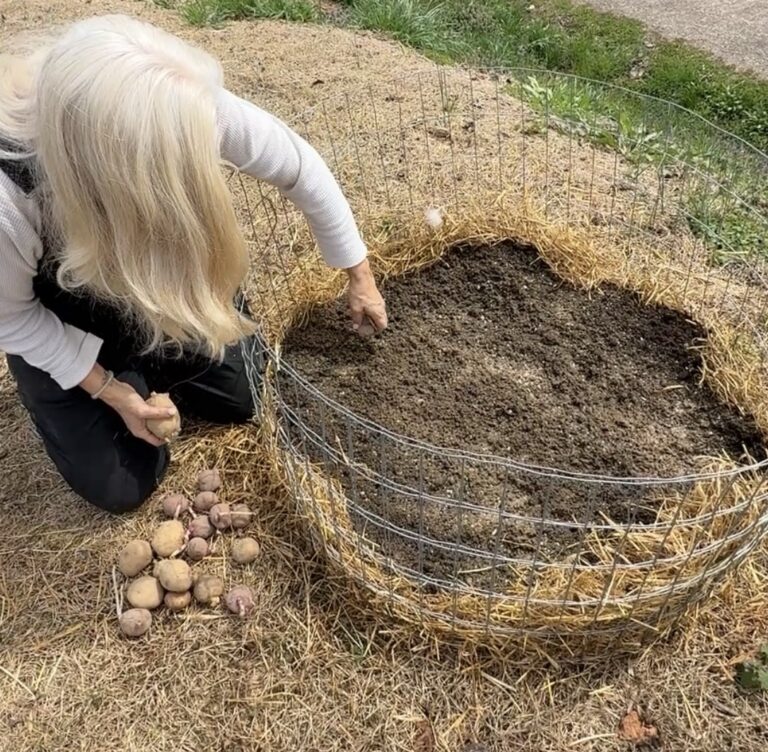
How We Grow Potatoes in a Wire Tower (Easy to Plant, No Digging to Harvest)
Learn how to grow potatoes in a simple wire tower using soil, hay and seed potatoes, when to plant by your frost date, and how to cure and store your …
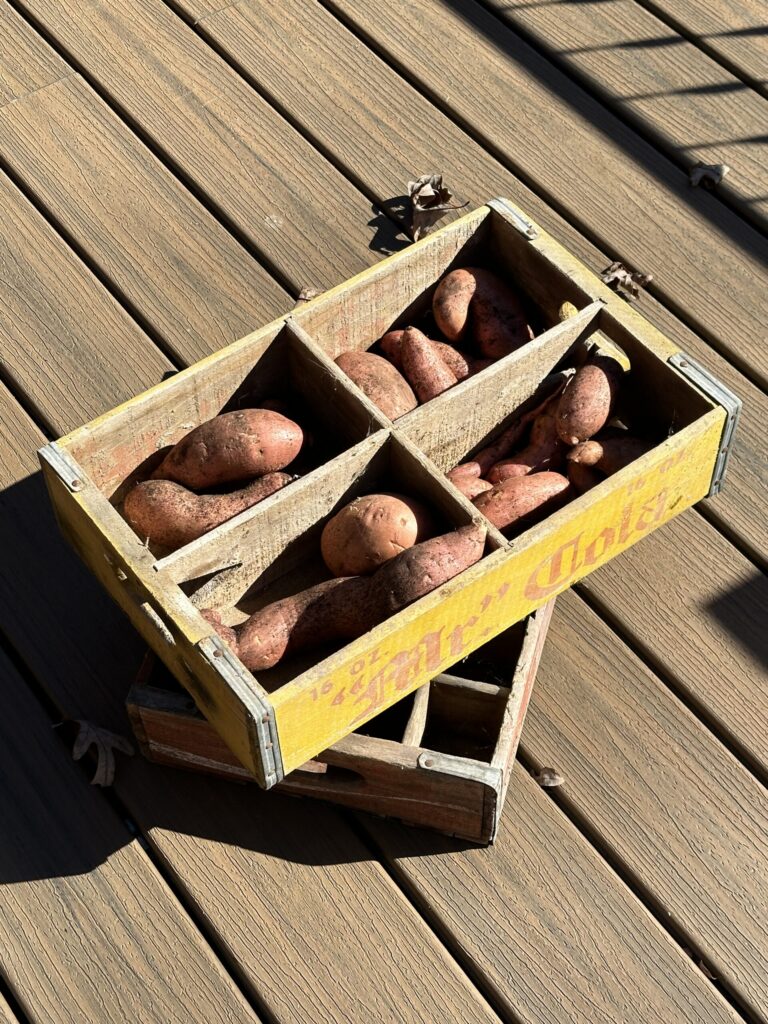
The Ultimate Guide to Sweet Potatoes: From Planting to My Favorite Recipes
Hey there, sweet potato lovers! Jules here from Sweet Bombdiggity Farms, and I’m so excited to share everything sweet potatoes! Let’s dive into all th…
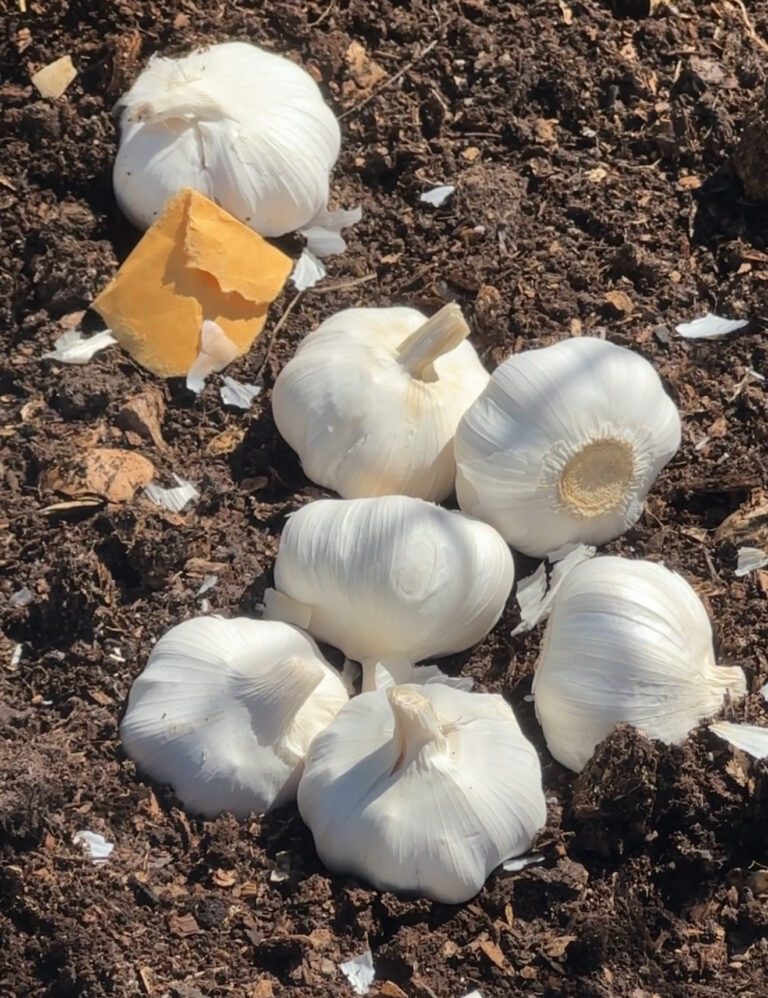
The Complete Garlic Guide: When to Plant, What to Grow and How to Store It
Garlic is the crop I recommend to anybody who thinks they are not a gardener. You put it in the ground in fall, you walk away, and the following summe…
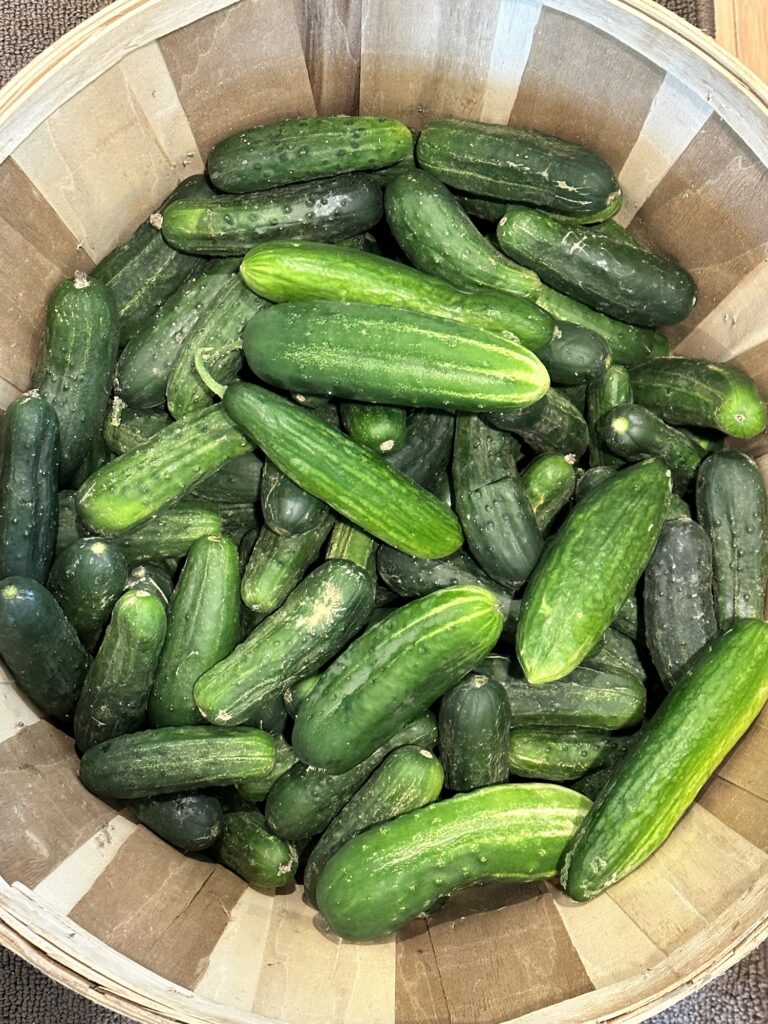
All you need to know about Cucumbers
Discover the secrets of growing cucumbers successfully with this guide. Learn about the different types of cucumbers, from compact bush varieties to t…
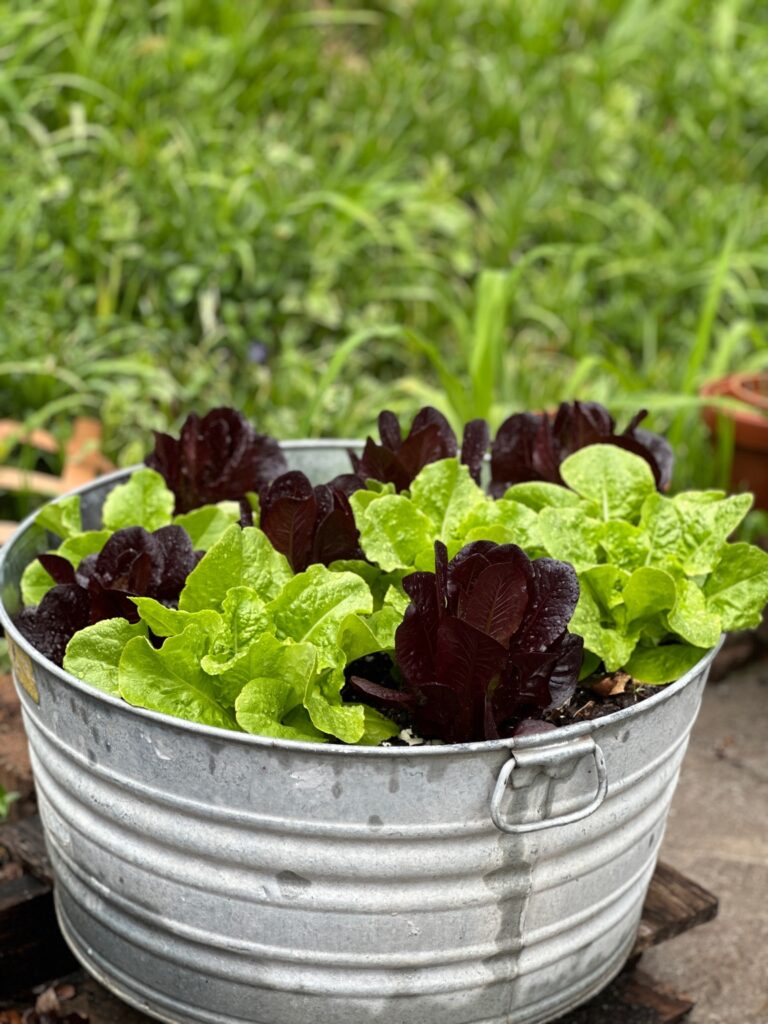
Tips for Growing Lettuce All Season Long
Spring has sprung and with it comes the joy of harvesting the first fresh veggies of the season! Right outside my door, I’ve got a tub of lettuce, cri…
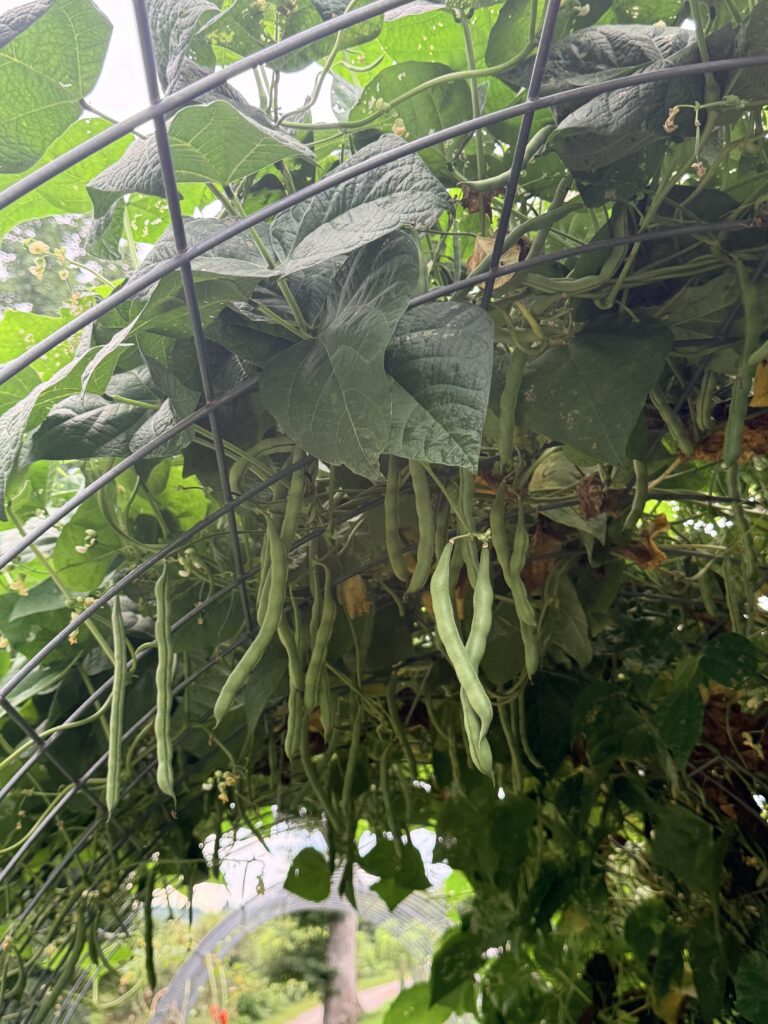
Bean Planting Tips from Sweet Bombdiggity Farms
Hello, Sweet Bombdiggity Farms family! As we dive into another planting season, I want to share one of my favorite easy-to-grow veggies with you all: …
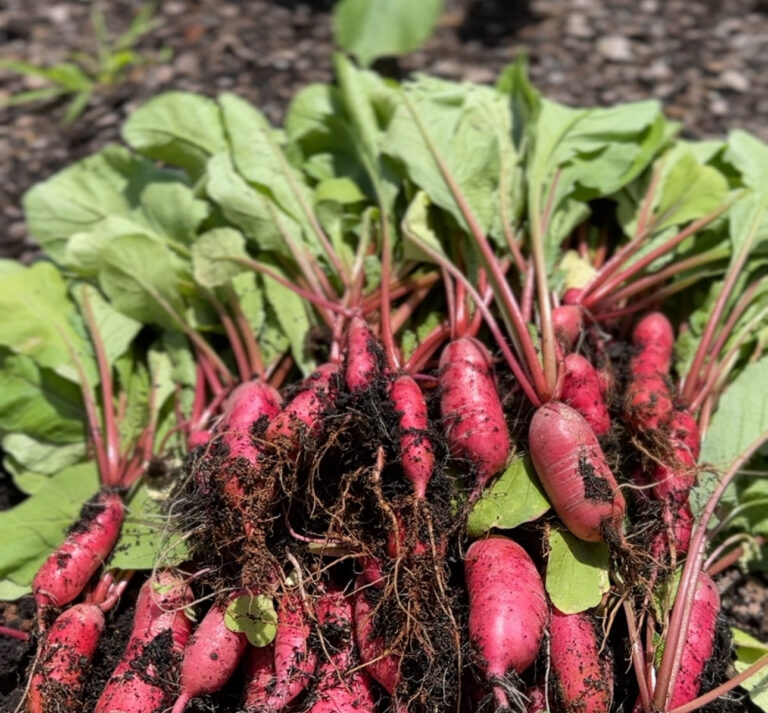
Tips & Tricks for Harvesting Radishes
It’s an exciting day at Sweet Bombdiggity Farms, and our radishes are ready for harvest! They’ve been in the ground for just about 25-35 days, and now they…
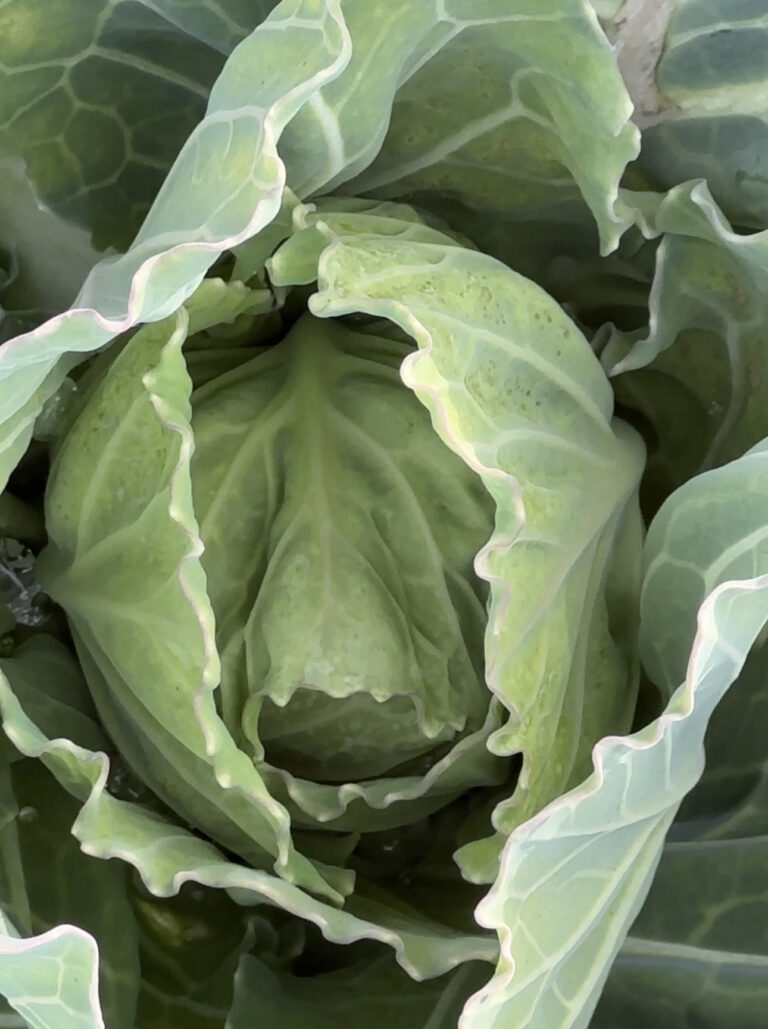
Cabbage in your fall garden: 5 facts & more
How about 5 fun facts about cabbage and why we are HEAD (see what I did there?) over heels in love with it our fall garden. EXTRA! Knowing When to Har…
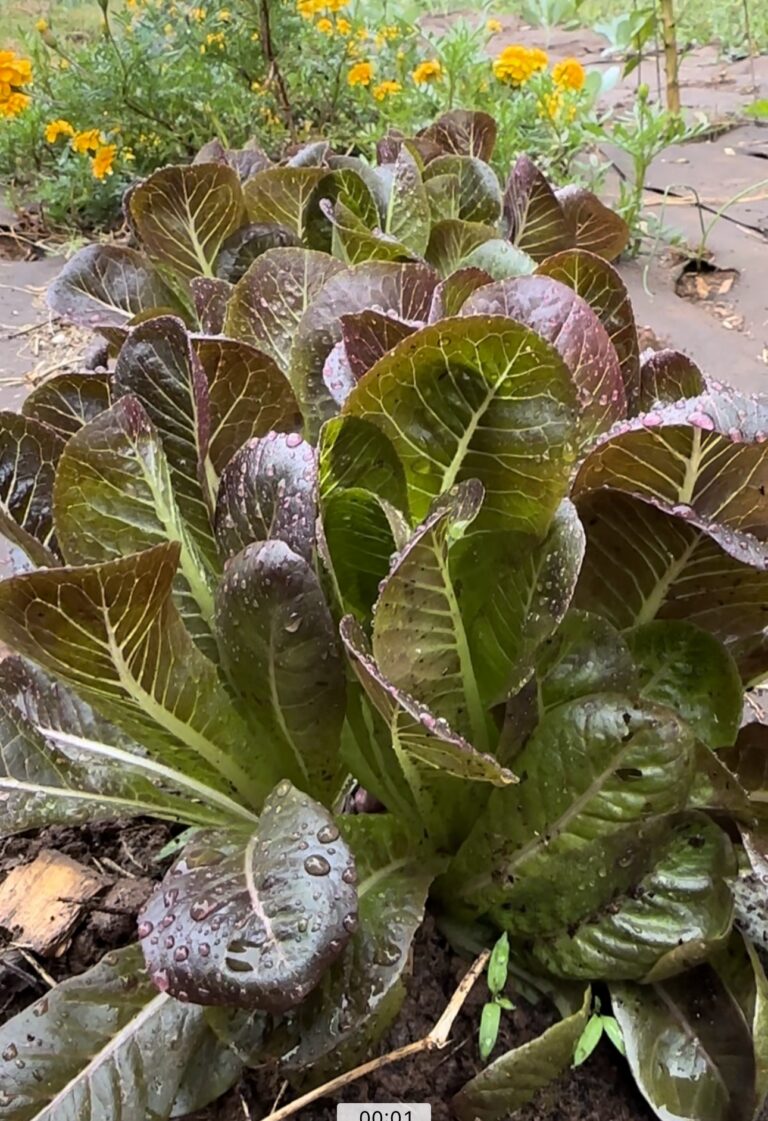
Your Season Isn’t Over Yet: 15+ Quick-Grow Crops to Plant This Fall
It is not too late to plant. Radishes are ready in about 25 days, arugula in about 30, and lettuces, Asian greens, spinach and bok choy in 30 to 50, s…
Berries and fruit
Thirteen berries and a strawberry tower for small spaces.
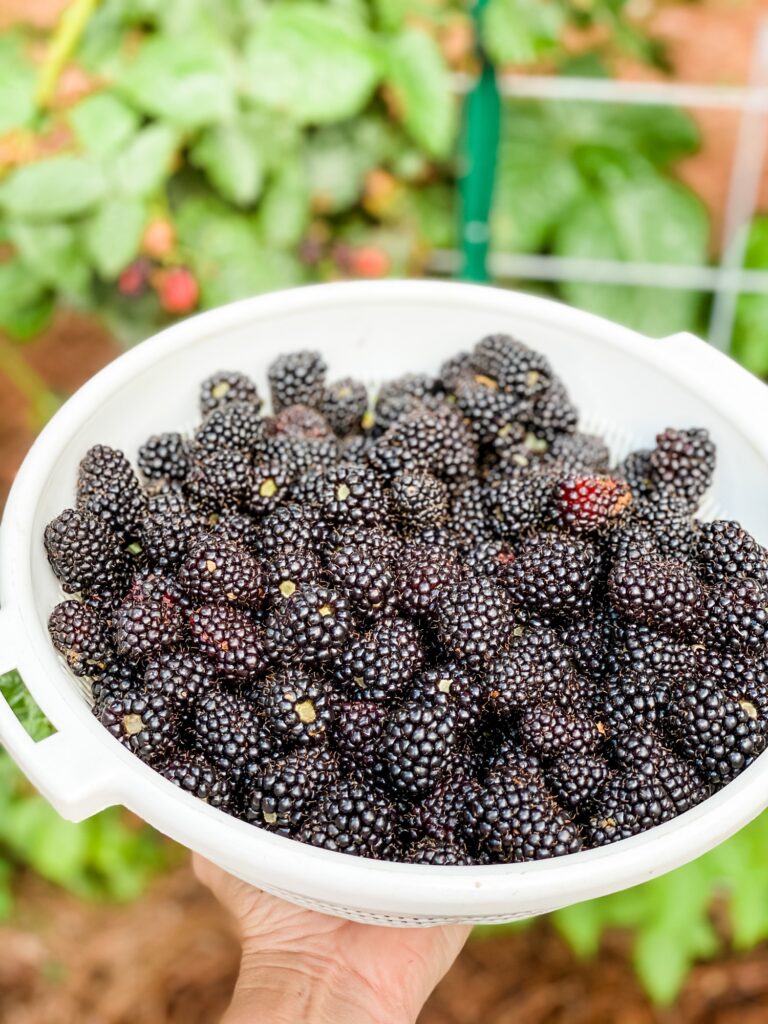
The Complete Berry Guide
We didn’t set out to write a book about berries or even one single berry. It started with one video about telling a primocane from a floricane, and th…
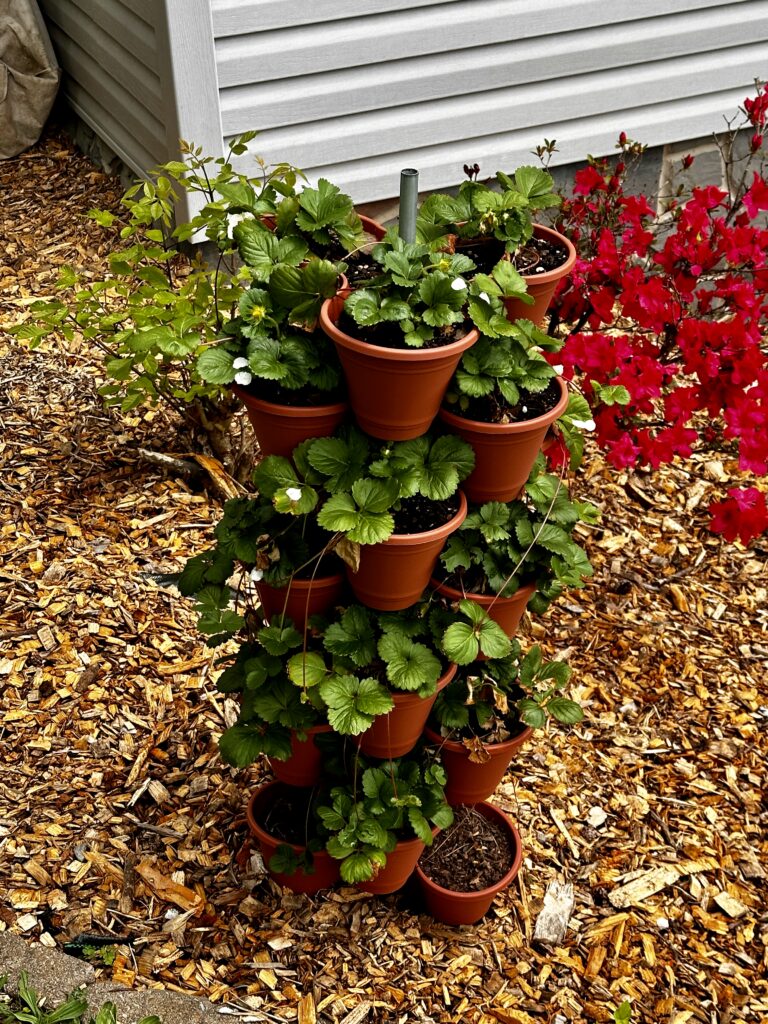
DIY Strawberry Tower Alert for under $25
Check out this BombDiggity little strawberry tower that didn’t break the bank! I headed over to The Dollar Tree and scored 8 stackable planters at jus…
Soil, water and care
Compost, cover crops, mulch and getting the garden through heat waves and dry spells.
Free Composting Guide: The Circle of Garden Life
How to start a compost pile with no bin and no equipment, what goes in and what never does, what to compost in fall, how to use coop bedding, and how …
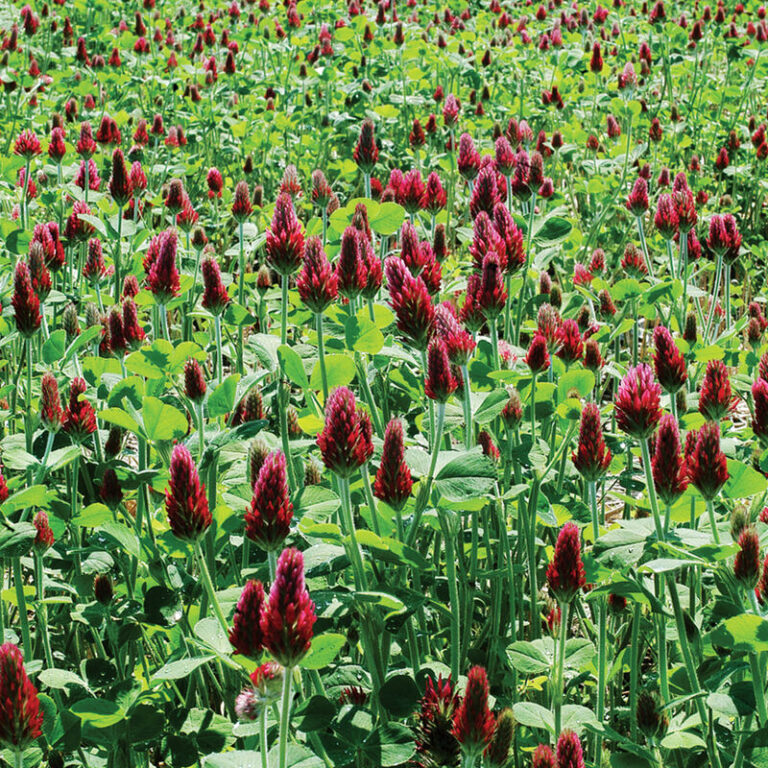
Resting the Soil, Resting Ourselves: A Fall Cover Crop Guide
What a cover crop is, when to sow one in zone 7, which one to pick for your garden, and the part nobody explains: how to cut it down in spring so it f…
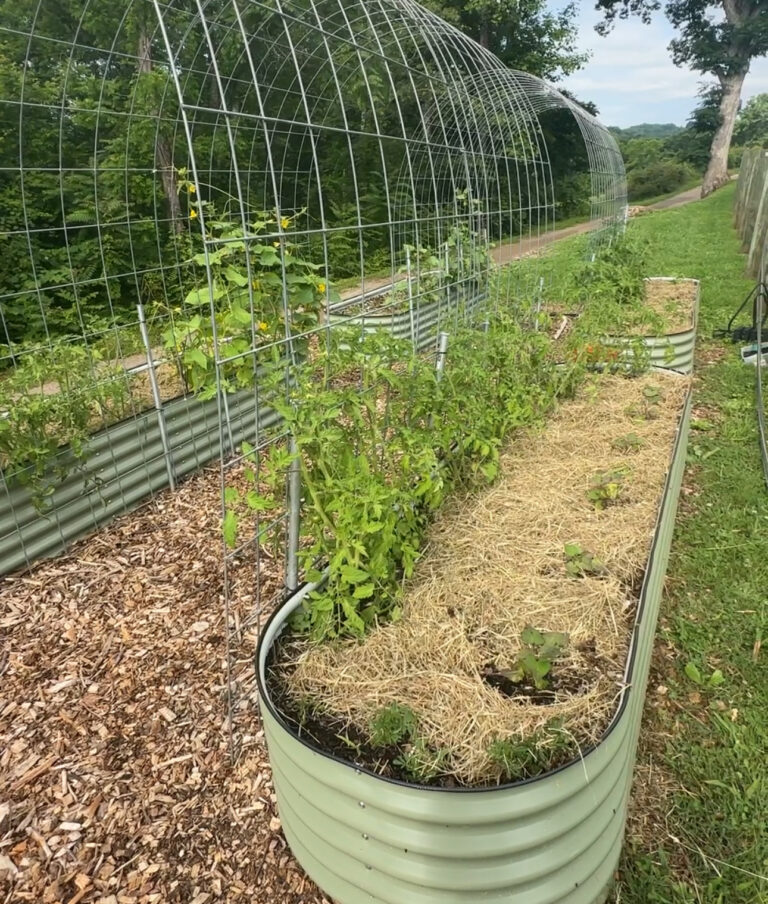
Benefits of Mulching with Hay in Your Garden
Benefits of Mulching with Hay in Your Garden If you’re looking for an effective and sowmtimes even free mulching option for your vegetable and flower …
Keeping Your Garden Alive Through a Heat Wave
A wilted plant in the middle of a hot afternoon is not an emergency. It’s a plant doing exactly what it’s supposed to do to protect itself. The real s…
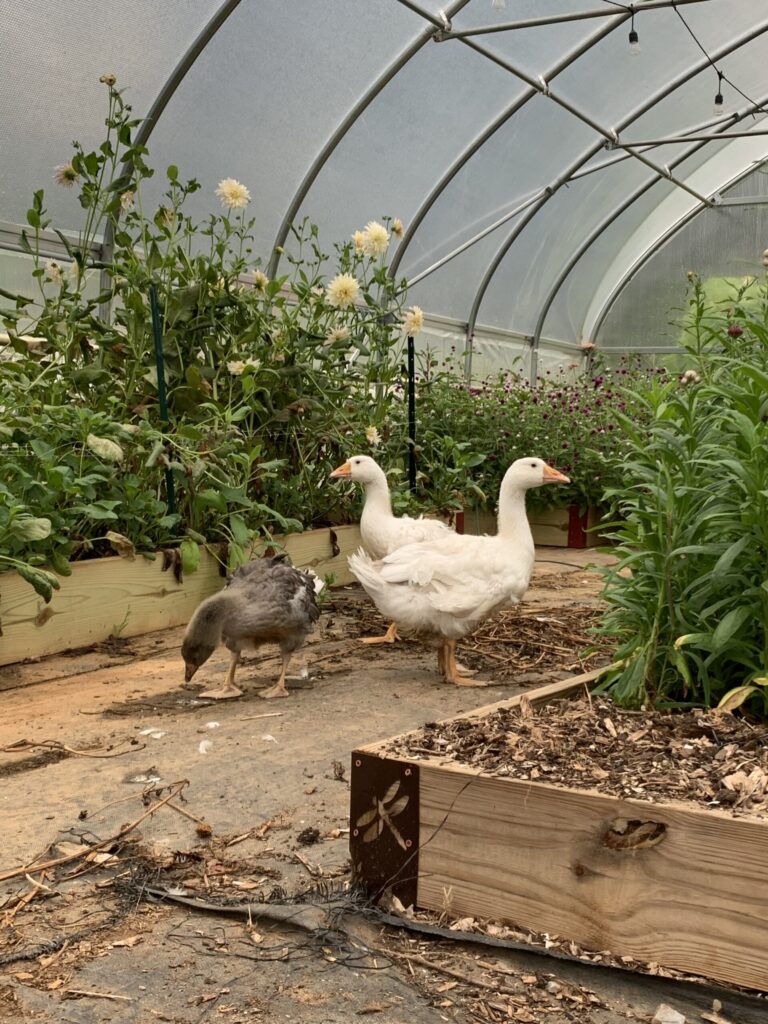
Chickens, Ducks and Geese in the Garden: How to Make It Work
Chickens, ducks and geese can share a garden with you, and the garden is usually better for it. What they do for your soil and pests, what they will d…
Vegetable garden questions we get
When should I plant tomatoes and peppers?
After your last spring frost. Tomatoes, peppers, cucumbers, squash and basil all wait until the frost danger has passed. Find your average last frost date and plan your planting around it.
What is the difference between determinate and indeterminate tomatoes?
Determinate tomatoes stay compact and ripen most of their fruit at about the same time, which is handy for canning. Indeterminate tomatoes keep growing and producing all season, so you have tomatoes on the counter all summer. Most heirlooms are indeterminate and need tall, sturdy support.
Is it too late to plant vegetables in late summer?
Usually not. Radishes are ready in about 25 days, arugula in about 30, and lettuces, spinach and Asian greens in 30 to 50. Count back from your first fall frost date and choose crops that will mature in time.
When do you plant garlic?
In fall, for a harvest the next summer. Plant individual cloves pointed side up about 2 inches deep and 4 to 6 inches apart, and cover them with a light layer of mulch for winter.
Pull up a chair.
A letter from our place to yours, every other Thursday, with what is growing and what we are planting next.